




bro, imagine raising a snitch
We use cookies to personalize your experience and analyze traffic. You can opt out at any time.

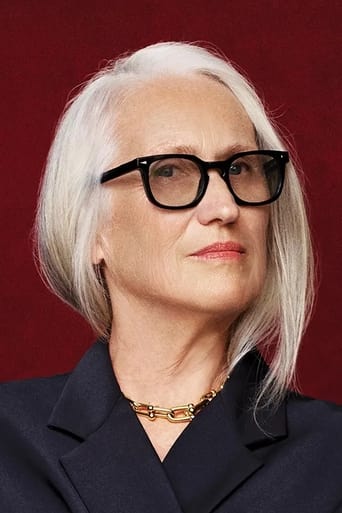
Geregisseerd door Jane Campion
An acclaimed, atmospheric drama.
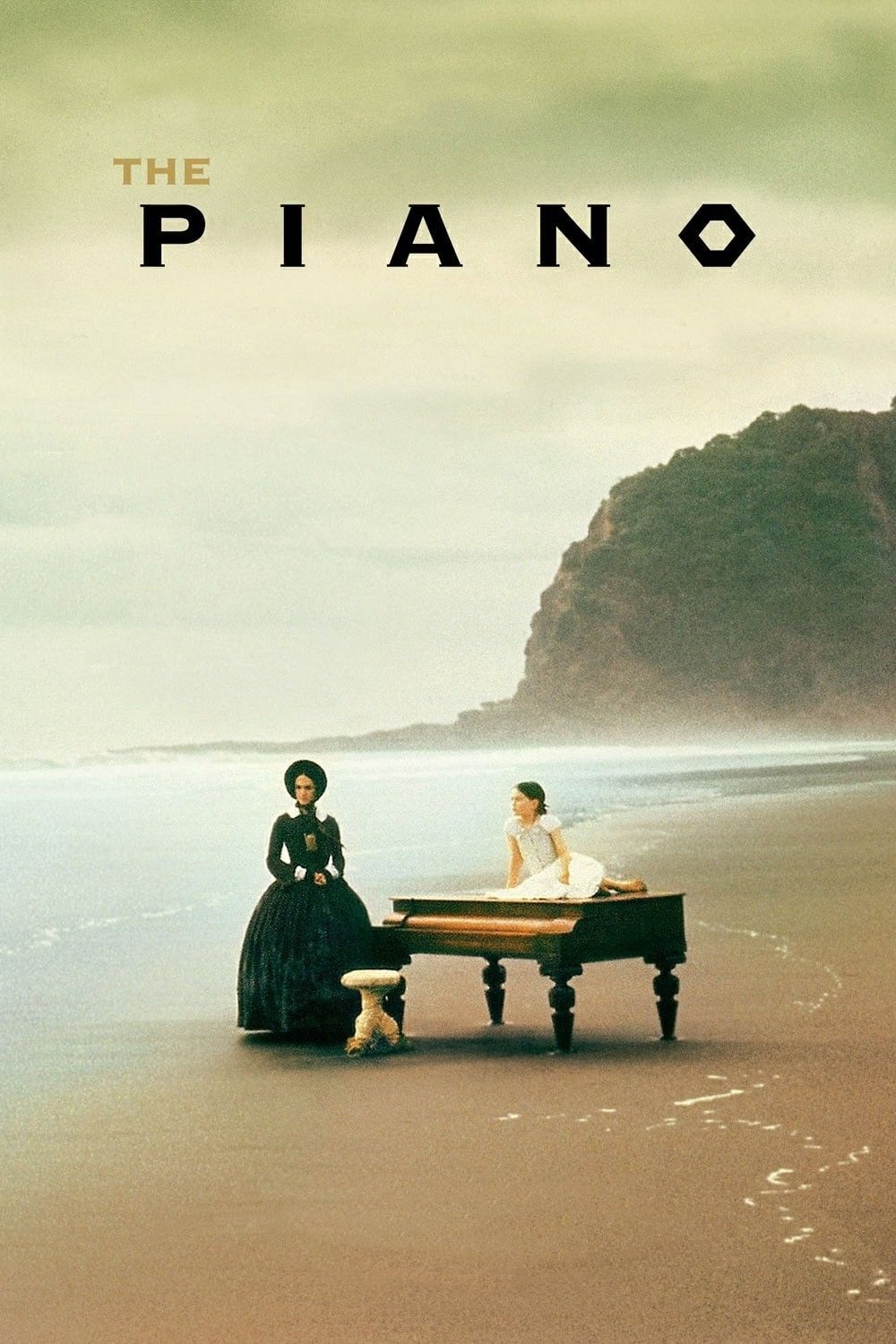
1850. De Schotse Ada McGrath kan niet praten en woont al een tijd alleen met haar dochter. Ze brengt elke dag uren door met het spelen op haar piano. Dan wordt zij uitgehuwd aan Stewart, een man die in Nieuw-Zeeland woont. Eenmaal daar aangekomen met haar dochter en piano, besluit Stewart deze te verkopen aan landverkoper George. Ada is hierdoor zo treurig dat ze afschuw voelt voor Stewart. George vraagt haar om les, zodat ze haar piano kan terug terugverdienen. Maar daar zitten ook andere voorwaarden aan vast.
The Piano draait in 2 bioscopen in Los Angeles - eerstvolgende voorstelling donderdag 20 augustus om 10:30 in Alamo Drafthouse Cinema Downtown Los Angeles.
Je ziet de voorstellingen van vandaag.Volledig schema & filters
Speeltijden van The Piano, elke ochtend ververst
Kies je bioscoop en krijg een seintje voordat de film van het doek verdwijnt.


bro, imagine raising a snitch

I’m starting to think Harvey Keitel wasn’t serious about wanting to learn to play the piano

This film has the wrong ending. It was such a startlingly wrong ending that I looked it up to confirm--Campion herself has said she intended a different ending. While the film's wrong ending is fine, really, it seems tacked on. And while it conveys a certain sense of what the film is about, it muddles it slightly. What this film is about is a woman's passion, about her defining herself through something other than a man (namely, her piano), and about how being bound to a man--being controlled by one--diminishes her. If taken literally, well, that's a flawed tale, but she's more a metaphor for the representation of women. She's every silent female character who serves only to be a man's possession in every film, television show, book, and play ever written. She defies this, having an identity as a pianist (or as anything else) instead, and the conflict arises when this identity is threatened. Indeed, it shows how far someone will go for their passions, for their identity, and how sharing that can lead to something deeper with other people.The ending is flawed simply because it should end with the loss of her phylactery. Like King Arthur losing his sword, her losing her piano should mark her end, for it symbolizes the loss of her identity. Instead, she continues on, marrying her love of the piano and her love of Baines, and while that's fine--it works with the idea of sharing passions and creating new identities--I feel like it would be stronger (perhaps for me alone, also more resonant) if her identity remained wholly outside that of a man's.December count: 10/100.
A mute Scottish woman is sent to 19th-century New Zealand for an arranged marriage, where she finds herself caught between her controlling husband and a rugged settler.
Jane Campion directed the 1993 film, which remains one of the most celebrated works by the New Zealand-born director.
The film won the Palme d'Or at the 1993 Cannes Film Festival and three Academy Awards, including Best Actress for Holly Hunter.