


the amount of relief I felt when I realized she was in fact wearing pants
We use cookies to personalize your experience and analyze traffic. You can opt out at any time.

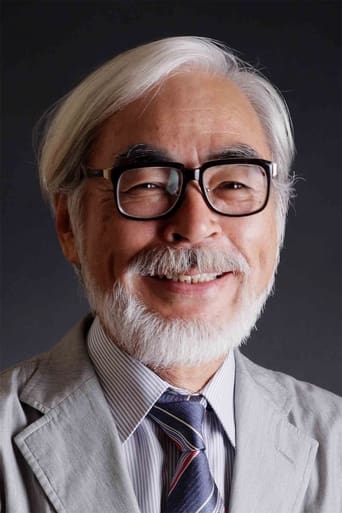
Regie Hayao Miyazaki
風の谷のナウシカ
An acclaimed, spectacular adventure.
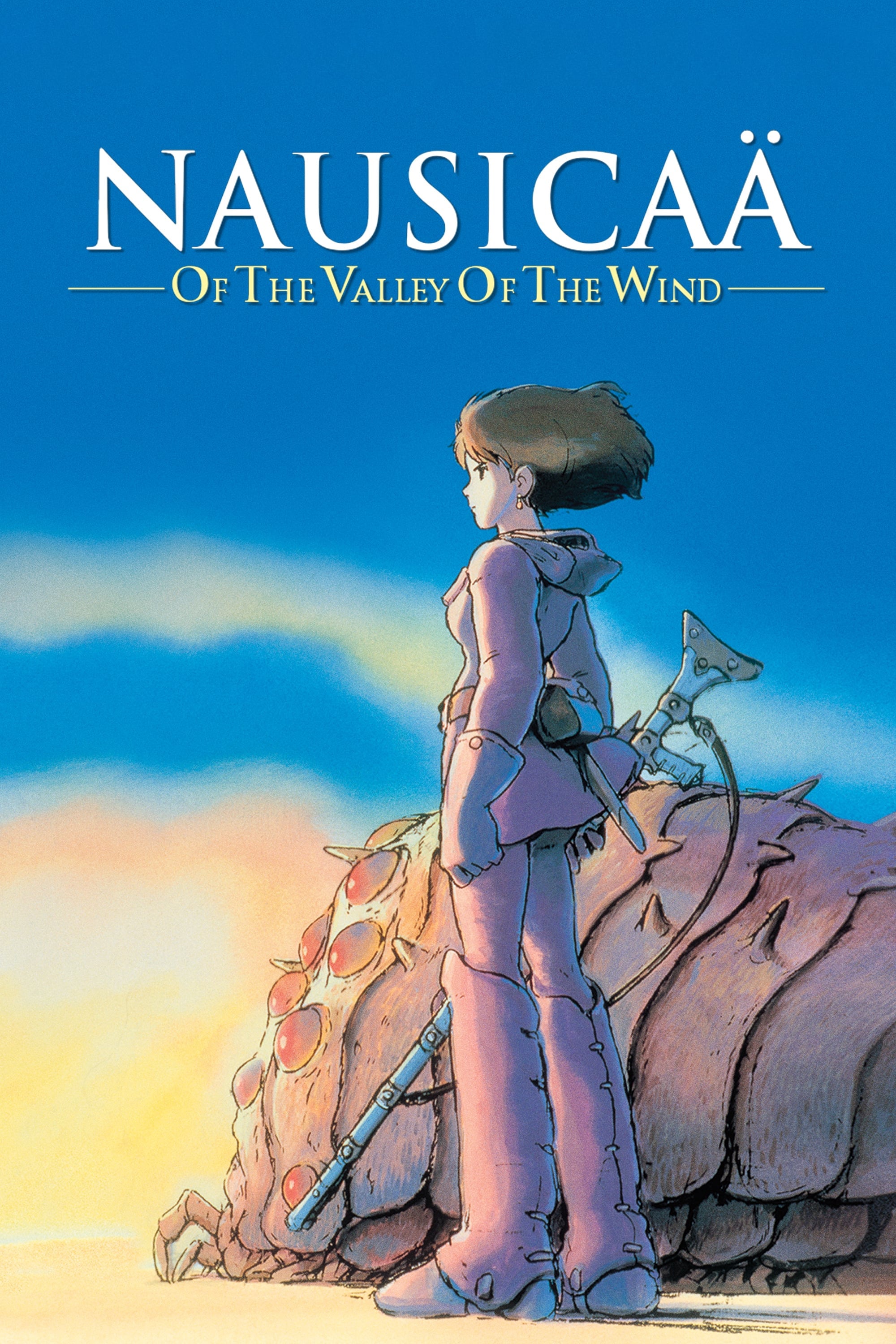
Ein verheerender Krieg hat die Erde in ein wüstes Ödland verwandelt, auf dem sich ein Pilzwald ausbreitet, dessen Sporen für den Menschen hochgiftig sind. Eine der wenigen noch existierenden Zivilisationen lebt im Tal der Winde, dessen natürliche Aufwinde verhindern, dass giftige Pilzsporen dorthin gelangen. Nausicaä ist die Prinzessin dieses Volkes und sie besitzt die seltene Gabe, die Gefühle und Gedanken der Tiere zu verstehen sowie mit der fremdartigen Flora und Fauna zu kommunizieren. Als ein anderes Volk das Tal erobern will, ist Nausicaä die letzte Hoffnung: Im Bestreben, eine friedliche Koexistenz zu erreichen, kämpft Nausicaä verzweifelt mit allen ihr zur Verfügung stehenden Mitteln und wird so zur Botschafterin einer uralten Prophezeiung.
Heute keine Spielzeiten für Warriors of the Wind in Los Angeles.
Spielzeiten zu Warriors of the Wind, jeden Morgen aktualisiert
Wähle dein Kino und bekomm einen Hinweis, bevor der Film aus dem Programm fällt.


the amount of relief I felt when I realized she was in fact wearing pants

this is miyazaki’s dune and it’s an absolute masterpiece

"I can't ask your forgiveness. It's too cruel."The depth of empathy in that statement astounds me. Understanding the emotional labor you are asking of someone when you ask their forgiveness is a crucial part of understanding injustice, because forgiveness is a crucial part of justice. You cannot ask forgiveness before you earn it; to do so requires the survivor of injustice to swallow the injustice. You not only inflict harm, you emphasize the gap in power between yourself and them, and then you make a demand of them, re-emphasizing it. This is why Nausicaa's foot must burn in the acid of the lake before the ohm child can forgive her; she must be made equal to the target of injustice her species inflicted (either the torment of the baby ohm or the death of the world, whichever you prefer). This goes so far beyond a baby ohm and a princess, though--apply it to all injustice before asking others to do... anything for you.I was struck in the opening moments by how the toxic forest reminded me of every depiction I've seen of the cherry blossoms falling, but warped and broken. That twisting of natural beauty told the entire story. Details remained unclear (was this Earth or somewhere else?) but the fundamental truth was there (this was a version of what we know and love turned vile). Somewhat directly, this peeled itself to reveal an environmental and anti-nuclear message, but the core of it echoes out beyond those self-destructive concerns. Those echoes might be drowned out by the insistence of the film's setting and themes to address nature (from the wind to the bugs to the natural perils of cloud and quicksand), but human interaction (especially war) is also ever-present. This is as much, then, about our relationships with each other as about our relationships to the world--and that allows the direct line between the two. If we do not repair our own interactions, we doom the entire world.And it must be said, the insect designs were eerily beautiful.
A millennium after a global catastrophe, a princess fights to protect her small kingdom while seeking a way for humanity to coexist with a toxic forest and the massive creatures that dwell within.
Hayao Miyazaki directed the film in 1984, marking a pivotal early work before he co-founded Studio Ghibli.