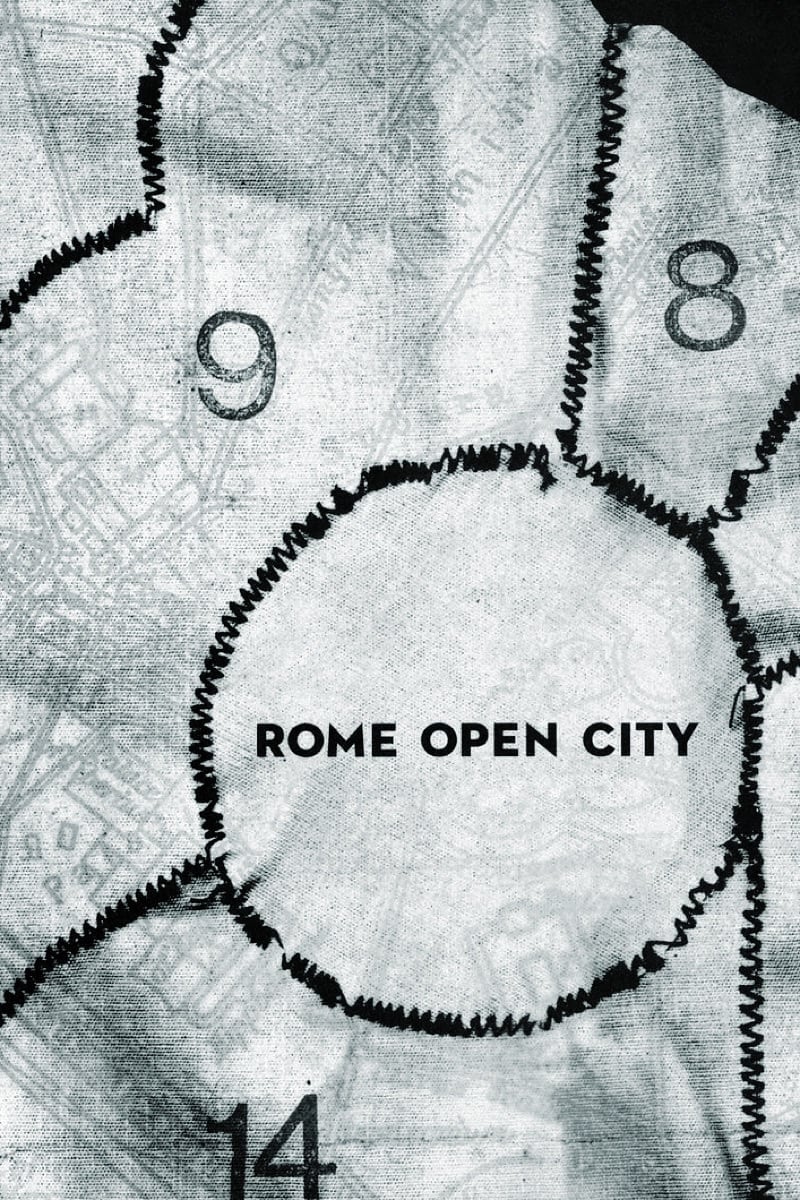
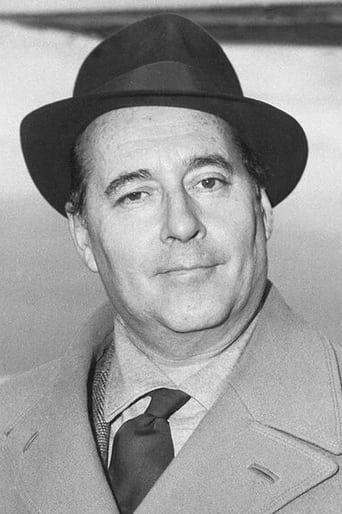
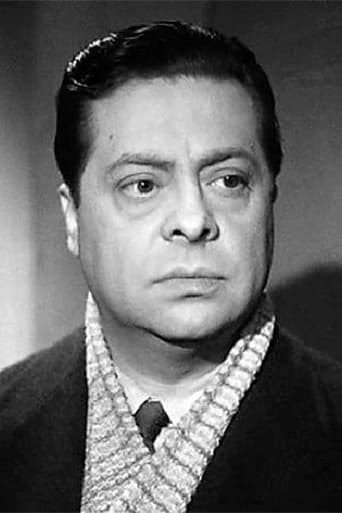
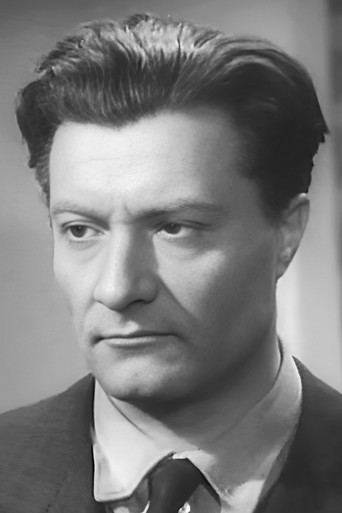
Remember those old movies? The ones where a couple drives down the road, only they aren’t driving, they’re sitting in a car on some studio lot. And that’s not a road behind them; it’s a rear projection of road. Looks fake doesn’t it?Did this fakery bother audiences back then? Not in the slightest. Back in the 1920s, ’30s and even into the ’40s, movies were about beautiful people living in fabulous mid-city apartments, dressing glamorously, saying the right thing at the right time and always finding a parking space. Movies were not reality; they were dream machines. And everyone seemed pretty happy with that. That was, until World War II came along.Not only did World War II change the way people saw the world, but it changed their desire to understand it. The filmmakers who witnessed these horrors were suddenly filled with a new urgency, one that found Italy as Ground Zero to what would become one of the most impactful movements in all of cinema, Italian neo-realism.But before there could be a movement, a maestro was needed, and the Roman-born Roberto Rossellini heeded the call. The writer/director had been dabbling in cinema since the late ’30s, but it wasn’t until his 1945 movie, ROME OPEN CITY, that the game changed.When Rossellini started working on the script for ROME OPEN CITY, his plan was to focus mainly on the plight of a priest during wartime. As he continued to write, Rossellini opened the story up to incorporate an entire city suffering under occupation of fascists. The priest (Aldo Fabrizi) remained the moral center, but the addition of a widowed single mother (Anna Magnani), a resistance fighter (Marcello Pagliero) and a collaborator (Maria Michi) painted a picture of the Roman middle class and the sheer exasperation of their predicament.To bring his images to life, Rossellini filmed in hallways and hotels, brought his camera out into the streets and photographed his actors against the rubble, placing the leads in scenarios populated by non-actors, effectively blurring the lines of what was cinema and what was reality.Yet, it is not just the documentary aspect of ROME OPEN CITY that made it a shock then and a legacy now. It was how seamlessly Rossellini blended realism with melodrama, giving the audience just enough to emotionally latch on to before ripping it all away.While Rossellini was making ROME OPEN CITY, he considered calling it A Story of Yesterday. That would have been an accurate title, but even though Rossellini works with history, he does not set his movie in history. ROME OPEN CITY is not about what happened, but about what is happening. A trick that makes the movie every bit as relevant and urgent today as it was 70 years ago. No easy feat, but then again, changing the face of cinema isn’t something that is done lightly.www.boulderweekly.com/article-14261-changing-the-face-of-cinema.html
Ingrid Bergman cited this film often in her interviews and autobiography. It was her introduction to Rossellini's work, and it eventually became the spark that led her to write the Italian director a letter that would change her entire career. For Ingrid, she had never seen a film so visceral, so realistic, so lacking in all the typical Hollywood embellishments. It is kind of astonishing that—73 years later— I am having the same reaction. Through modern eyes, I do see how the astonishing "realism" does not quite hold up. There are embellishments, but it's important to view the film in the context of its time. There, the film transforms into a cinematic experience so rarely felt. The heartbreak and emotional intensity keeps you captivated, the humor surprises you, and the final scene leaves you speechless. The incredible closing shot is one of the most memorable shots in history.I am comforted in the knowledge that we can all share deeply moving experiences with the same films. three quarters of a century apart. These little reminders keep me content.
Though remembered as an ally of the Axis during WWII, what isn't as well known is the German occupation of Italy during the tail end of the war. This was a time when Italy had already been invaded and defeated by Allied forces, agreeing to a peace which led to former-ally Germany to invade in-turn and deport Italians to concentration camps for what they saw as a betrayal.I say this because I did not know this going in. It's undoubtedly a shame and I really should be more aware of modern world history considering how close it is, a struggle that I feel is never ending because there is just always so much to learn that we will never complete in our lifetimes, yet it is still important that we try to regardless.So when Rome, Open City opens up with this historical context, I'm taken aback at the hardships and atrocities inflicted on a nation I filed away as an ally of Germany and therefore a perpetrator of such evils (and make no mistake, this is still true and not something to ignore at all). What I didn't realize was how quickly they were then subject to so many barbaric acts, viewed as subhuman by their former ally and rounded up to be killed just as the Allied forces left. How quickly liberation can mean just hopping in and sweeping up before leaving the civilians in the ruins at the mercy of the wolves.For these people death came in to destroy their homes, and death now still lurks in every corner. Speak too loud and you'll disappear. Look too long and you'll disappear. Think too much and you'll disappear. This is no way to live and they know it, some turning their backs on their kin lured by empty promises of safety and comfort.Can anyone believe in a God in these times? How can there be one for them when it is difficult to emphasize just how much their spirits were crushed? That is a struggle explored within, of how the people in the nation of Catholicism lose their faith. As trite as this may seem for those who do not believe, the plight felt by these believers as they struggle to reconcile their very identity with their outside reality is incredibly humanizing and absolutely heartwrenching to witness."He's subversive, he's fought with the Reds in Spain. His life is dedicated to fighting society, religion. He is an atheist... your enemy...""I am a Catholic priest. I believe that those who fight for justice and truth walk in the path of God and the paths of God are infinite."But there are those that remain steadfast, and it is these who keep the hope alive. Their faiths perhaps shaken, their bodies perhaps marred, but they understand that it is the spirit of the people which must be believed in. And as such, these are the ones who strike fear into the hearts of their oppressors while igniting conviction in the hearts of their countrymen. There may be a God, there may not, but what is certain is that there is a you and I.