Cinemas
Jean Renoir
Director
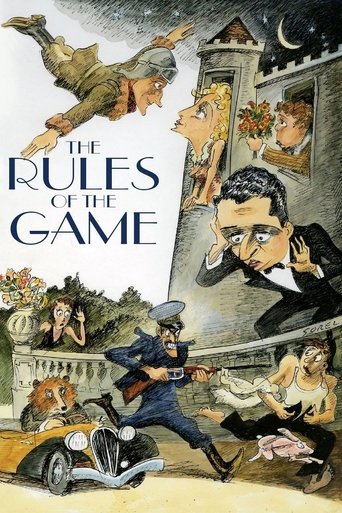
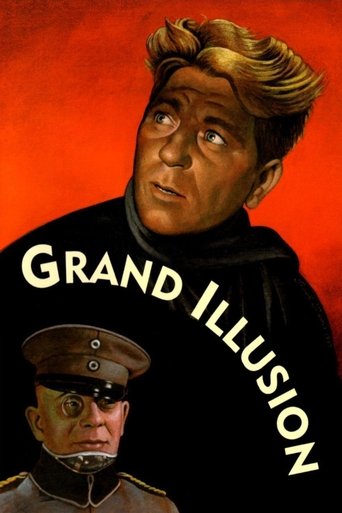
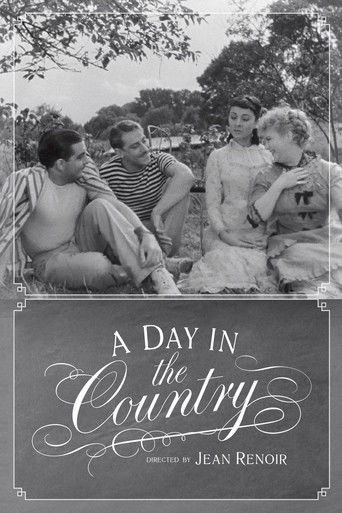
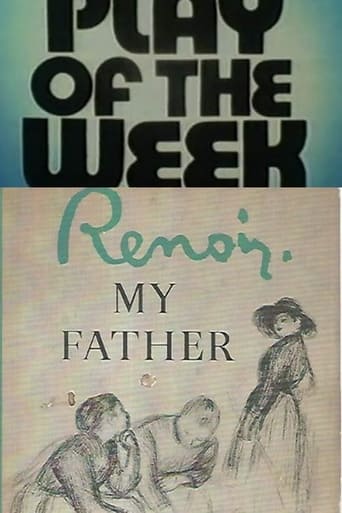
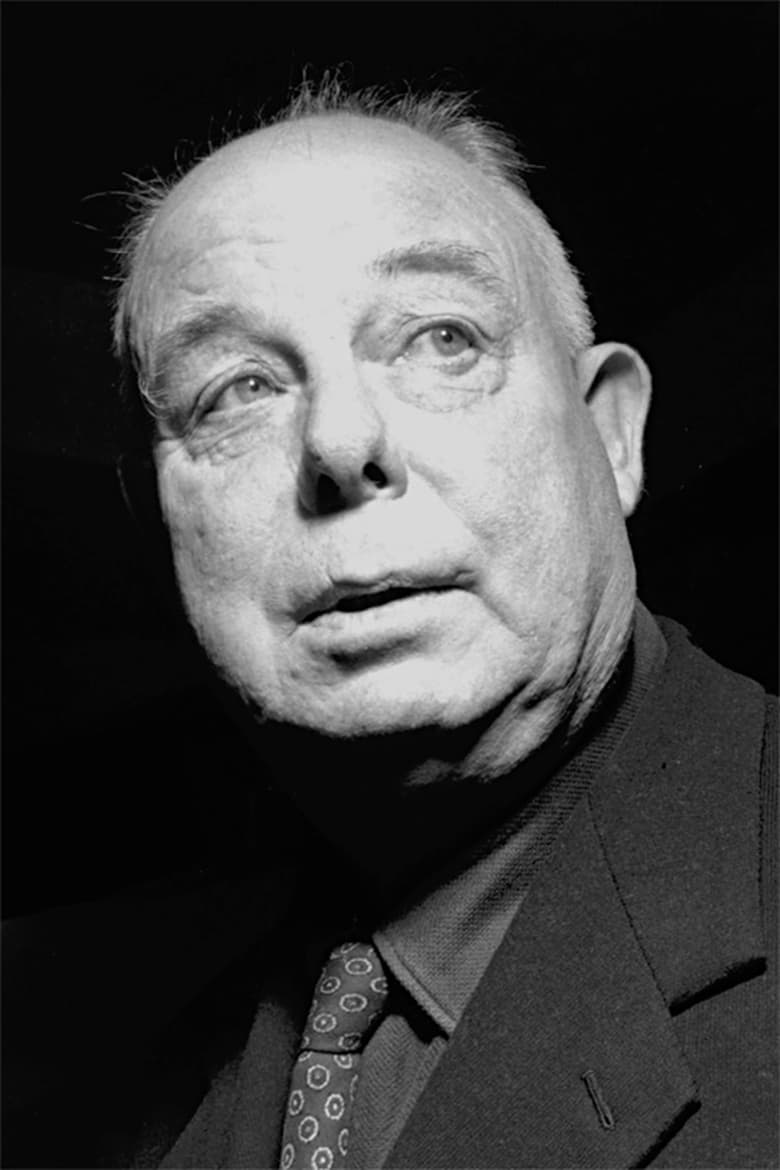
Jean Renoir (15 September 1894 – 12 February 1979) was a French film director, screenwriter, actor, producer and author. As a film director and actor, he made more than forty films from the silent era to the end of the 1960s. As an author, he wrote the definitive biography of his father, the painter, Pierre-Auguste Renoir, Renoir, My Father (1962). In the 1930s, Renoir was associated with the Popular Front, and several of his films reflect the movement's left-wing politics and deal with social issues as well as class disparities. He was perhaps the most significant director of the poetic realism movement. The satirical comedy-drama film The Rules of the Game (1939) is often cited by critics as among the greatest films ever made; it is the only film to earn a place among the top ten films in the respected British Film Institute's Sight & Sound decennial critics' poll for every decade from the poll's inception in 1952 through the 2012 list. Other important works are Grand Illusion (1937), A Day in the Country (1946) and The River (1951). Andrew Sarris in his influential book of film criticism The American Cinema: Directors and Directions 1929–1968 included him in the "pantheon" of the 14 greatest film directors who had worked in the United States.
Jean Renoir films playing now
Playing now1
Jean Renoir filmography
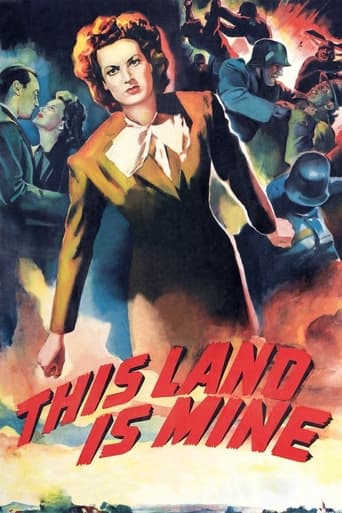
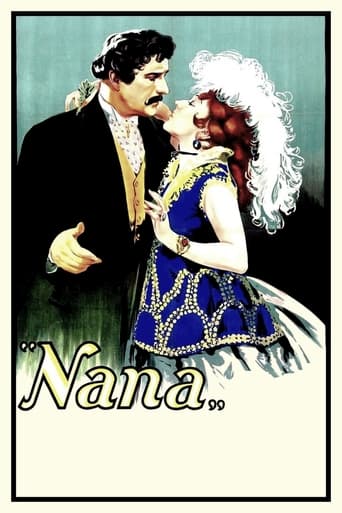
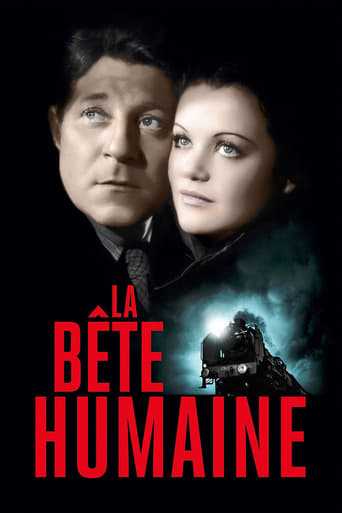
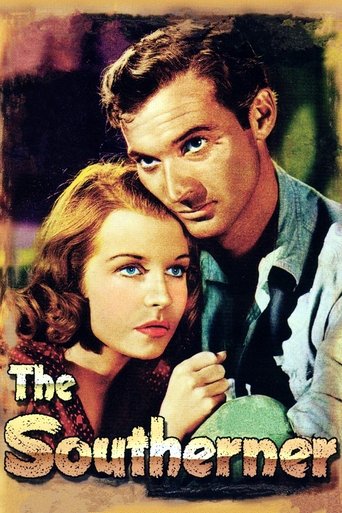
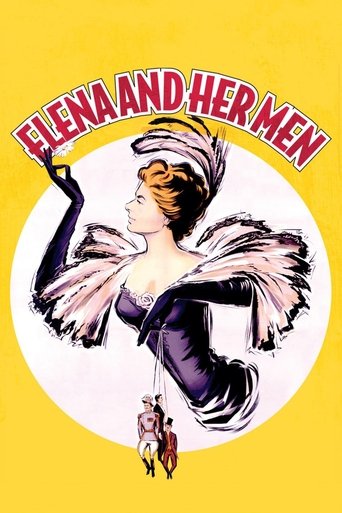
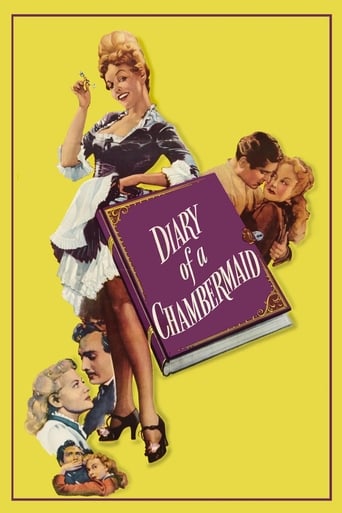
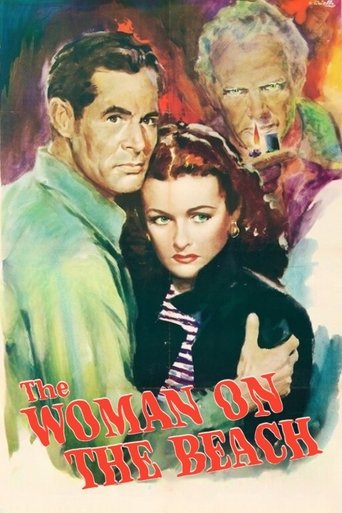
Filmography70







Know the day Jean Renoir's next film opens
Follow once, we'll tell you when it reaches cinemas.


Common questions
Who is Jean Renoir?+
Jean Renoir was a French filmmaker and screenwriter who became a central figure in the poetic realism movement and auteur theory, with a career spanning from the silent era through the late 1960s.
What is Jean Renoir known for?+
He is primarily recognized for directing The Rules of the Game and Grand Illusion, both of which are consistently ranked by critics among the most significant motion pictures in history.
Where can I find his films?+
Explore the complete filmography of Jean Renoir on Mood.
Not feeling it?All films in Athens