Cinemas
John Ford
Director
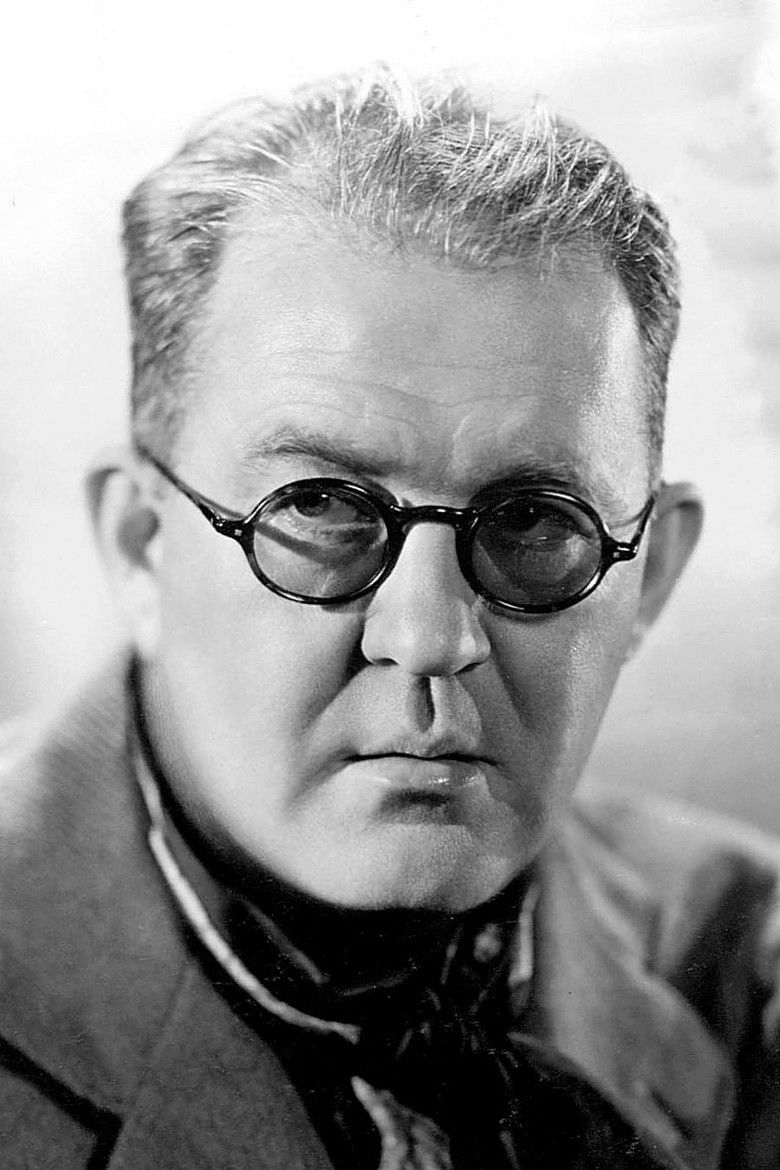
John Ford (February 1, 1894 – August 31, 1973) was an American film director. He was famous for both his westerns such as Stagecoach (1939), The Searchers (1956), and The Man Who Shot Liberty Valance (1962), and adaptations of such classic 20th-century American novels as The Grapes of Wrath (1940). His four Academy Awards for Best Director (1935, 1940, 1941, 1952) is a record, and one of those films, How Green Was My Valley (1941), also won Best Picture. In a career that spanned more than 50 years, Ford directed more than 140 films (although nearly all of his silent films are now lost) and he is widely regarded as one of the most important and influential filmmakers of his generation. Ford's films and personality were held in high regard by his colleagues, with Ingmar Bergman and Orson Welles among those who have named him as one of the greatest directors of all time. In particular, Ford was a pioneer of location shooting and the long shot which frames his characters against a vast, harsh and rugged natural terrain.
John Ford films playing now
Playing now4
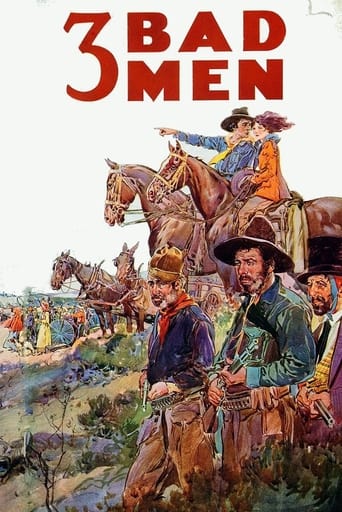
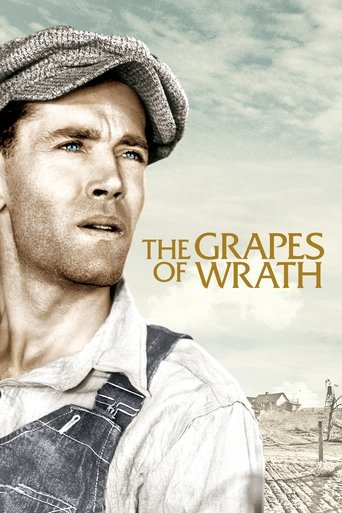
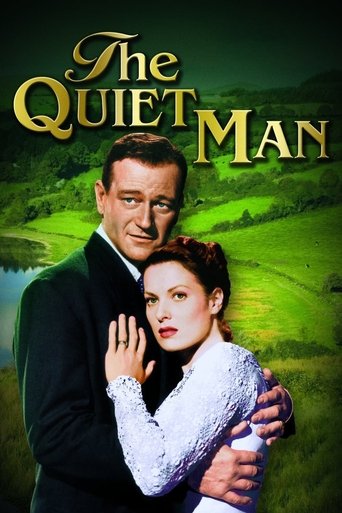
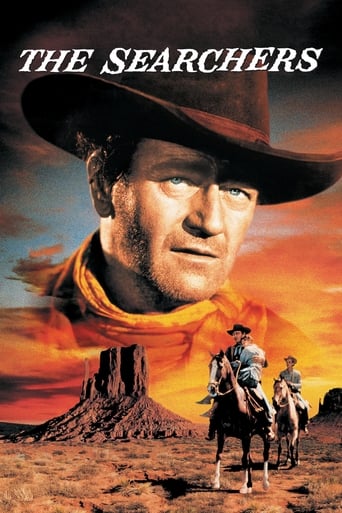
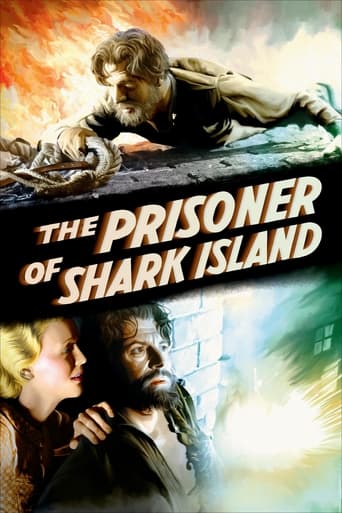
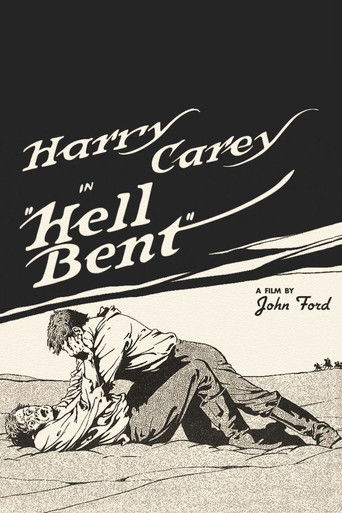
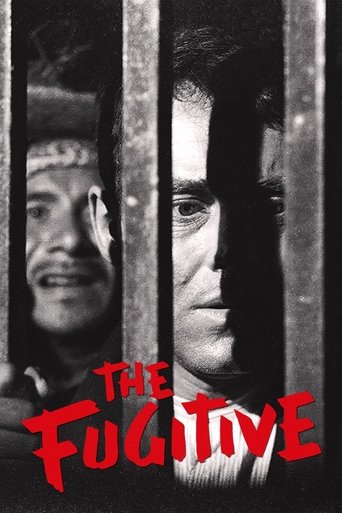
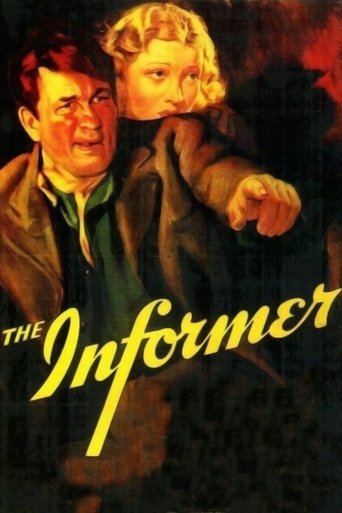
John Ford filmography
Filmography184
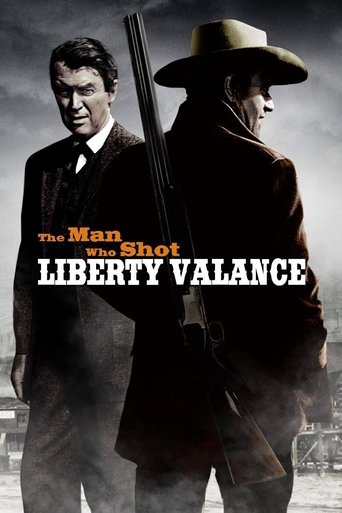
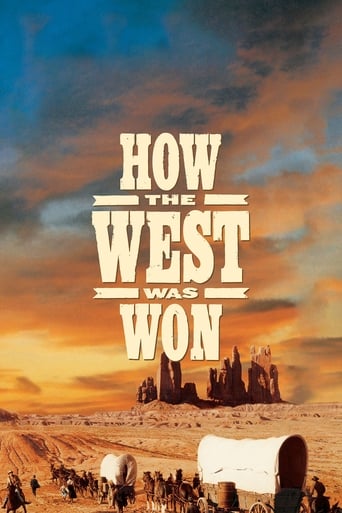
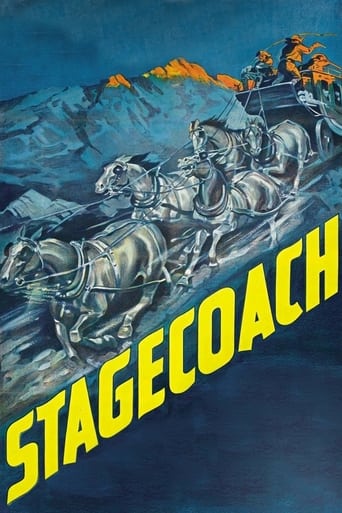
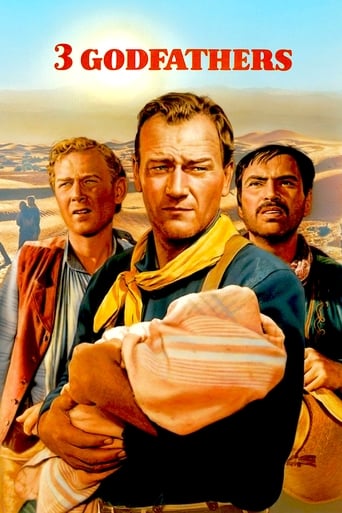
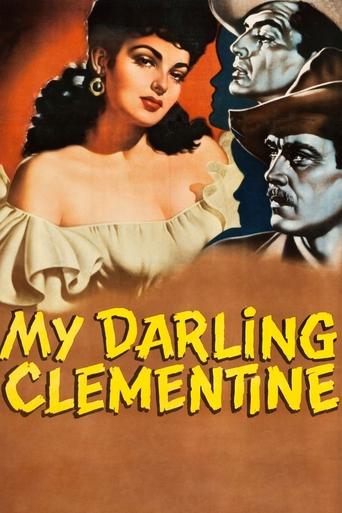
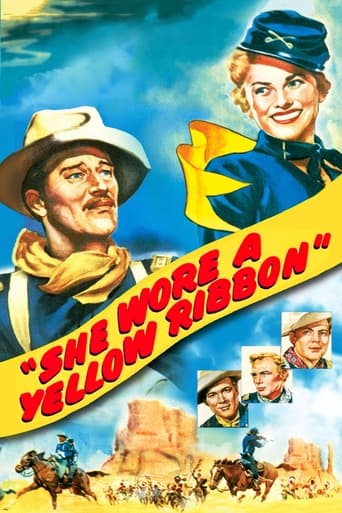
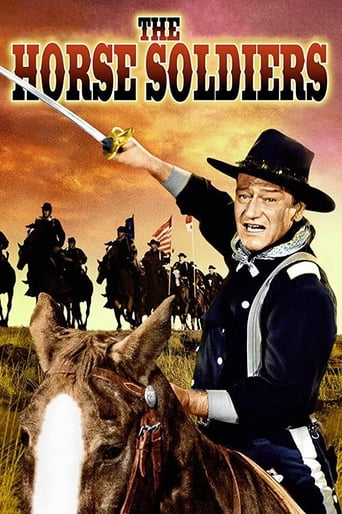
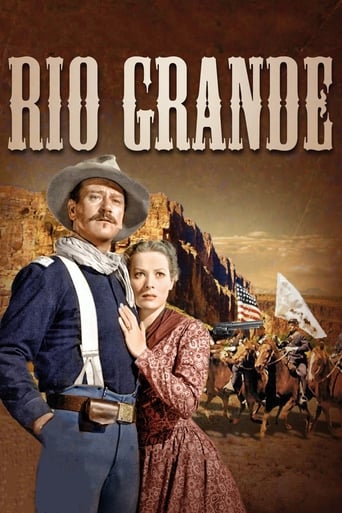
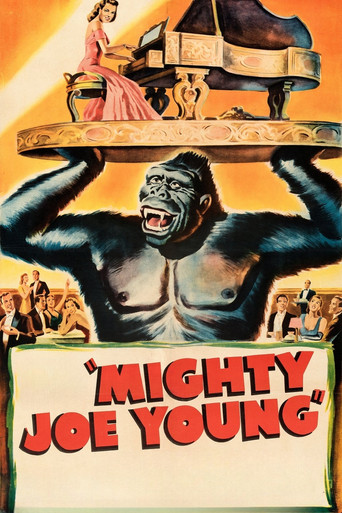
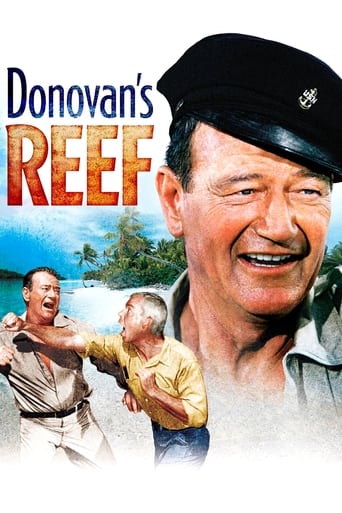
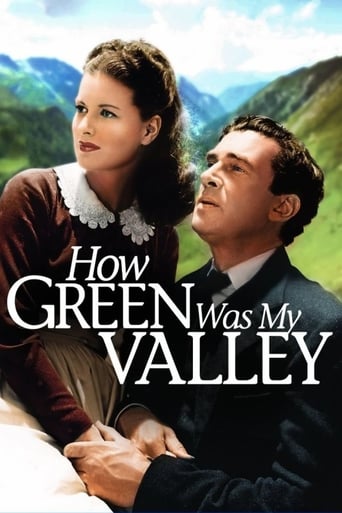

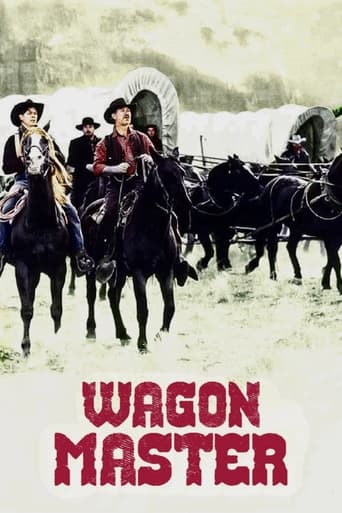
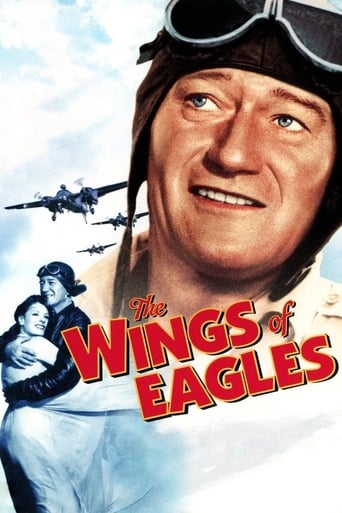
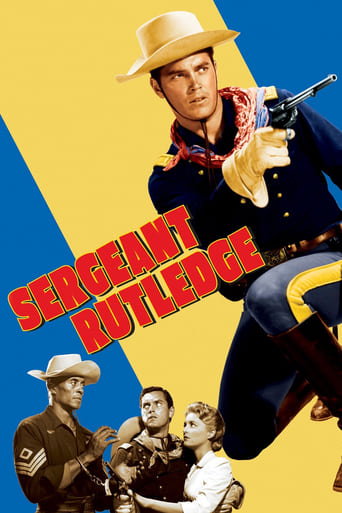






Know the day John Ford's next film opens
Follow once, we'll tell you when it reaches cinemas.


Common questions
Who is John Ford?+
He was a 4x Oscar-winning American director, widely considered one of the most influential filmmakers of the Golden Age, best known for his Westerns and dramas.
What is John Ford known for?+
He is known for pioneering the use of vast, rugged outdoor landscapes—often in Monument Valley—and long shots in films like The Searchers, The Man Who Shot Liberty Valance, and The Grapes of Wrath.
What kind of work does John Ford make?+
He specialized in evocative, visually grand Westerns and emotionally resonant dramas that helped define 20th-century American cinema.
Not feeling it?All films in Athens