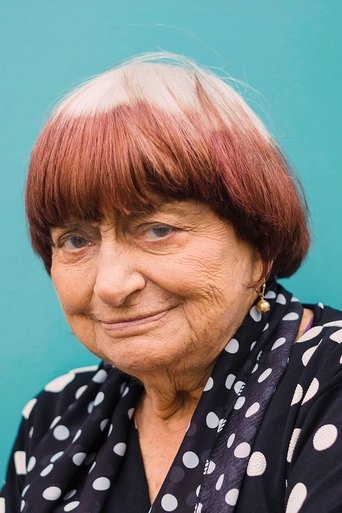

agnès varda just has this pure, unadulterated love for people and their mundanities and those little parts of life that are overlooked and she is just absolutely my idol
We use cookies to personalize your experience and analyze traffic. You can opt out at any time.

Geregisseerd door Agnès Varda
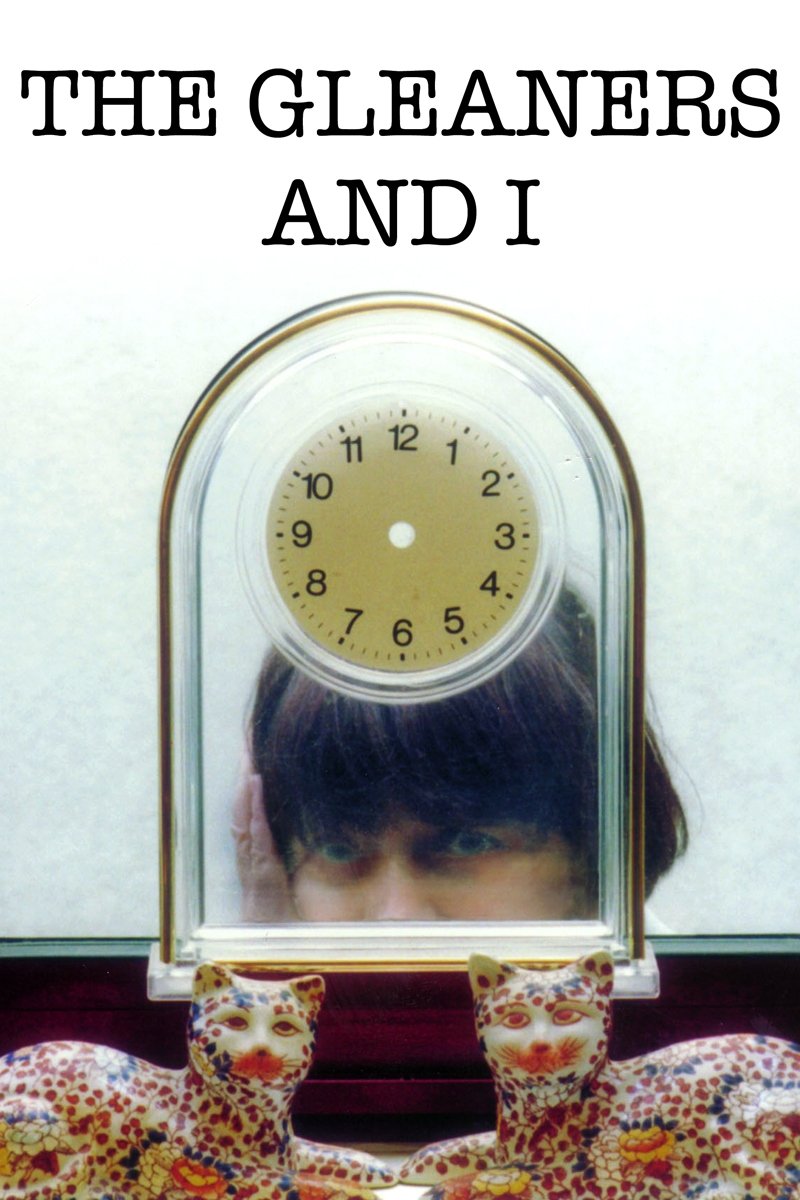
Les Glaneurs et la Glaneuse
An acclaimed, moving documentary.
In Les glaneurs et la glaneuse treft Agnès Varda overal in Frankrijk 'glaneurs', mensen die vinden, rapen en hergebruiken - ook wel arenleesters genoemd. Dit doen ze uit noodzaak, bij toeval, of vanuit een bewuste keuze: leven van de resten van anderen om verspilling tegen te gaan. In de documentaire brengt Varda verschillende werelden bij elkaar. Die van oorspronkelijke arenleesters uit vroegere tijden, en die van Varda zelf, die haar beelden en verhalen ook vindt, raapt en hergebruikt.
Vandaag geen speeltijden voor The Gleaners and I in Los Angeles.
Speeltijden van The Gleaners and I, elke ochtend ververst
Kies je bioscoop en krijg een seintje voordat de film van het doek verdwijnt.


agnès varda just has this pure, unadulterated love for people and their mundanities and those little parts of life that are overlooked and she is just absolutely my idol

i hope to someday be as content as agnès varda collecting heart shaped potatoes and rapping in her own films

Of the many possibilities that digital cinema provided in changing film, one was simply the new bounty of footage that could be shot without worry. Instead of limiting oneself to what was necessary by the amount of film stock available, Agnes Varda uses digital to search out every crevasse and follow every tangential lead in The Gleaners And I. Varda’s documentary thus follows tangent after tangent. Her interest in historical gleaners brings her to a farm, which takes her to the impoverished community that isn’t completely unaware of the food available to them, which takes her back to Paris to follow gleaners of trash and vegetables, which eventually takes her to a former graduate student who gleans in the morning and teaches French to immigrants in the evening. While Varda remains centered on the subject of gleaning in many practices, the sensation of the “absence of structure” is what keeps the film fresh (I put this in quotation marks because the film is rigorously structured, only giving the appearance of feeling glommed).Like the finale of Kiarostami’s 10 on Ten where he turns his digital camcorder to a pile of ants, Varda links digital cinema with new horizons in finding absences, as well as herself. She discussing filming her left hand with her right hand, and plays games while driving in the car and using her hand to “capture” semi-trucks. There is nothing necessarily that relies on the digital camera that Varda could not have done with 16 or 35mm cameras, but it is the possibility that anything can be filmed and choices need not be made. One of the most alluring moments comes when Varda includes a moment where she forgot to turn her camcorder off while walking, turning the device’s cap into a “dancing figure” complete with music. For Varda, digital means one very important, and essential truth can now be realized: everything is cinema.
It is a personal documentary exploring the lives of modern-day foragers in France who collect discarded food and objects, framed through the filmmaker's own reflections on aging and consumption.
The film was directed by Agnès Varda, a seminal figure in the French New Wave, who released it in 2000.