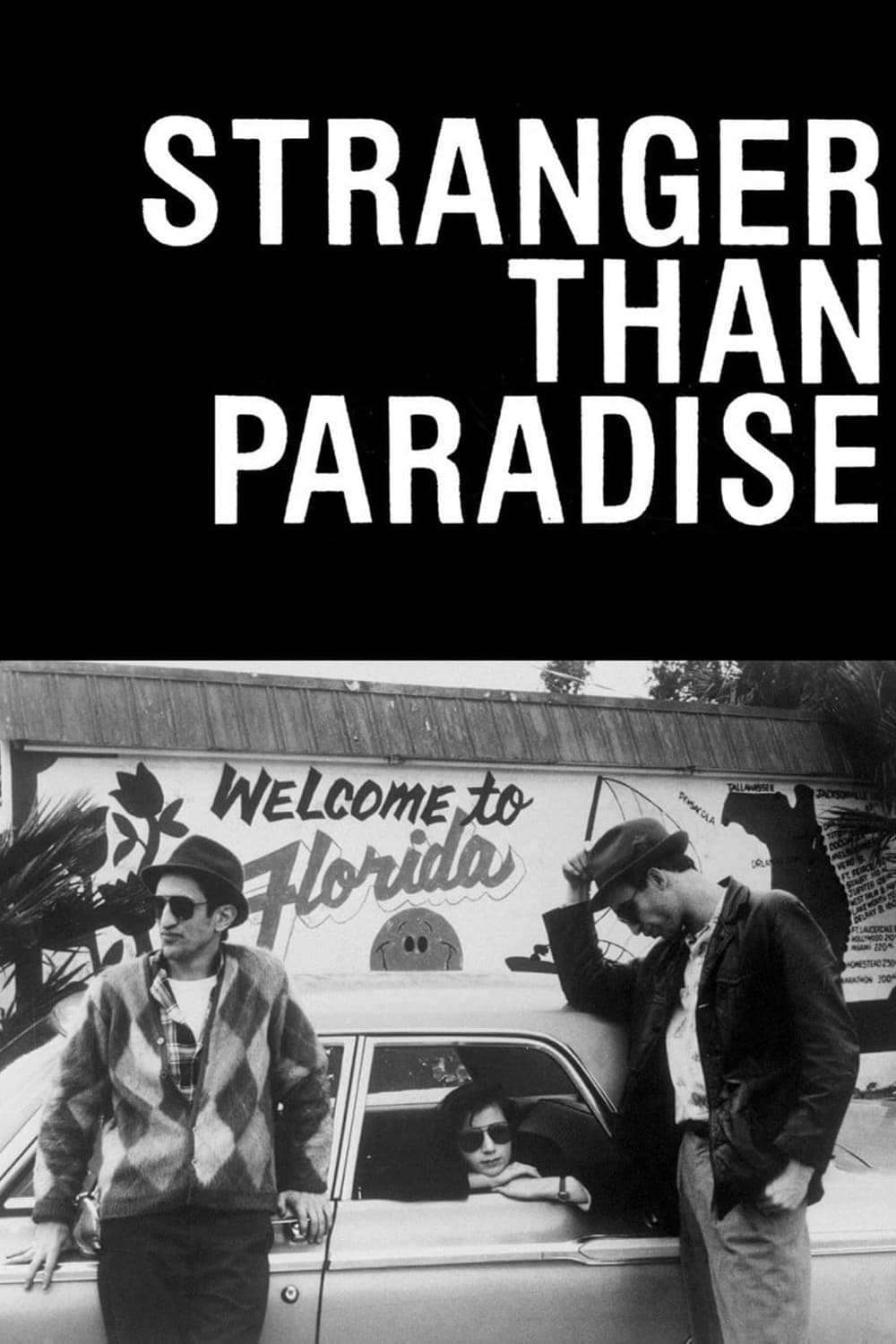




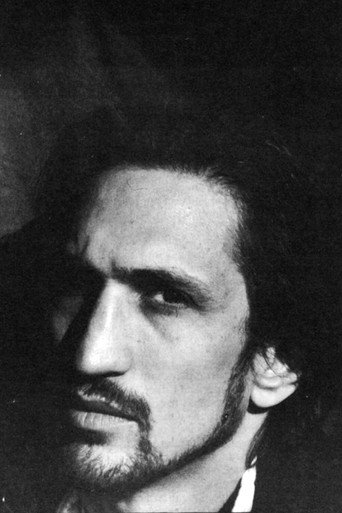

This is definitely my favorite version of Jarmusch, the dude of stationary solitude and existentialist inertia with an air of coolness. I. Simply. Love this Jarmusch.For starters, Jarmusch is a director of artistic and cultural inspirations: books, films and songs of all ages, Jarmusch is a living amalgamation of styles and trends that refuses the existence of originality. Everything is the result of something previously done and represented either intellectually or stylistically, a philosophy that I fully support. Since the film opens, you can see Jarmusch’s aesthetic director stamp, but as the film progresses, you slowly begin to unravel his possible influences. Even if you encountered Jarmusch one day and he told you that you perceived his influences wrong, maybe you didn't. When I saw Stranger than Paradise for the first time two weeks ago, a film that I had incorrectly postponed for about 8 years, I clearly witnessed a Nouvelle Vague and Cassavetes-like cinéma vérité hybrid with an irreverent sense of humor.Stranger than Paradise is a film about isolation and detachment, which are represented in many forms.1) Willie is an unproductive small-time gambler living in a small flat located in New York City. He has detached himself completely from human interactions as much as possible, and all he does is to watch TV, drink, smoke, sleep and walk in the dilapidated streets during midnight.2) His distant cousin, Eva, is moving from Budapest to America, alone, to a place that she doesn’t know, and informs him that she will need to stay at his place for 10 days. He is reluctant to this and doesn’t like the idea. Family detachment.3) Eva meets Eddie, Willie’s buddy. They get bored together, but the guys develop a fondness for Eva. This smells like a love triangle directed by Eustache. Isolation ensues.4) Once both grow simultaneously bored out of that monotonous daily routine, strengthening their initially cold relationship in the process, Eva decides to leave with her aunt living in Ohio. Willie now doesn’t want to. The pain of being left alone again.5) Months later, Willie and Eddie win $600 in a poker game and decide to go after Eva in Ohio. Now its their fondness to Eva and the boredom of their isolated life the factors that push them to get rid of this isolation.6) It’s winter in Ohio. The streets are covered with snow. Few people walk in the streets. The aunt, Lottie, also lives alone. There is nothing for the trio to do than look at the frozen surface of the water.7) The three decide to escape. Detachment once again.This hilarious pattern of being reluctant at first, feeling bored next and escaping to another isolated place in an attempt to get rid of their previous unsatisfactory life stage is repeated from beginning to end. So, for the 1000th time, it is all about detachment and isolation. The minimalist style that captures the barren landscapes along with the unenergetic black-and-white cinematography communicate the same message with a high correlation.Classic directors that inspired this type of films and style had no choice but to use black-and-white in their films. Now that technology has transformed this usage into an artistic decision, it is possible for filmmakers like Jarmusch to rise out of the blue and give an important name to independent cinema while utilizing the beauties of black-and-white to their advantage, because in modernity, people are forced to put attention to the details of the film if it looks so dead in color, or walk away. Personally, I think it looks beautiful in all of its glorious bleakness, dissecting monotony, and choking the alligator.92/100