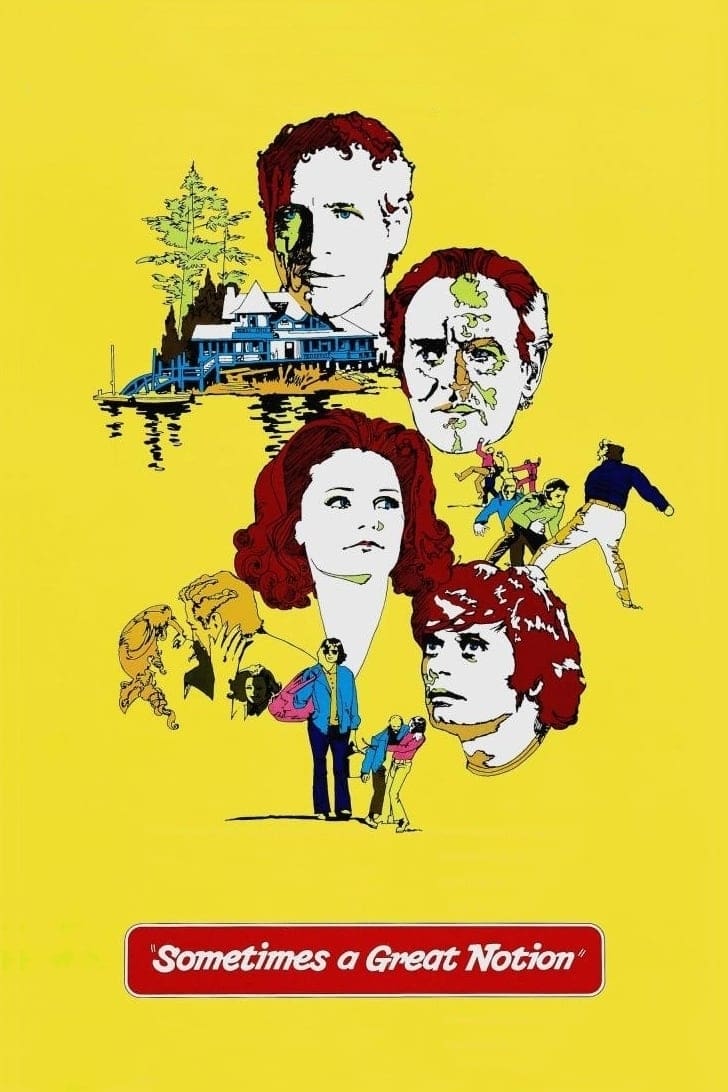


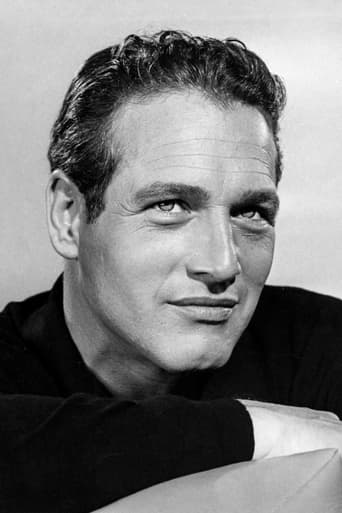

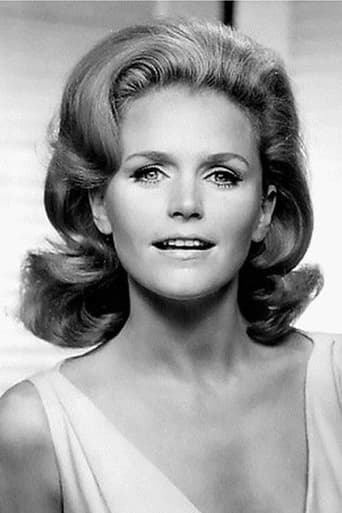

This is one of the two Paul Newman directed movies he starred instead of Woodward and the only one he didn't originally plan to direct. The overall "American individualism take to extremes" framework is very in synch with his star persona around this time and one should point out that the Fonda/Newman/Sarrazin emotional triangle is very much predicted in the symbolic associations the stars bring with them to the point one genuine wonders if they send the script to Peter Fonda before setting for Sarrazin. All five leads are great and benefit from Newman discreet touch (that said keeping the Remick/Sarrazin affair implied is one of the few times in Newman career that his quietness get the worst of him). For an actor's movie, the attention to nature, both landscape and colors, is outstanding which makes sense given its role of ultimate moral arbiter. All the scenes of lumber work are amazing physical and well observed. What does it says about American cinema that one of its greatest movies about labor is also one about Union busters? There's a very pragmatical quality to Newman approach, action-oriented and matter of fact despite all the family psychodrama traps, that is well presented in Sarrazin refrain "it grows" to every question about his long hair. Newman has some wonderful unexpected transitions, I love the bit where Sarrazin's suicide confession gets interrupted by the sight of stubborn Fonda just walking in the back of the frame. The many contradictions political and aesthetical involved are a good part of the pleasure. There's some interesting stuff about the effect of 60s in working class life that exists outside usual discussions of the era as well. Jaeckel very long death scene is probably the best remembered scene in all of Newman directed features and remains really wonderful, one of the greatest wrath of God comedy of errors moments of its era, intense, physical, funny and sad in equal measures, and all the devastation that follows is equally great.