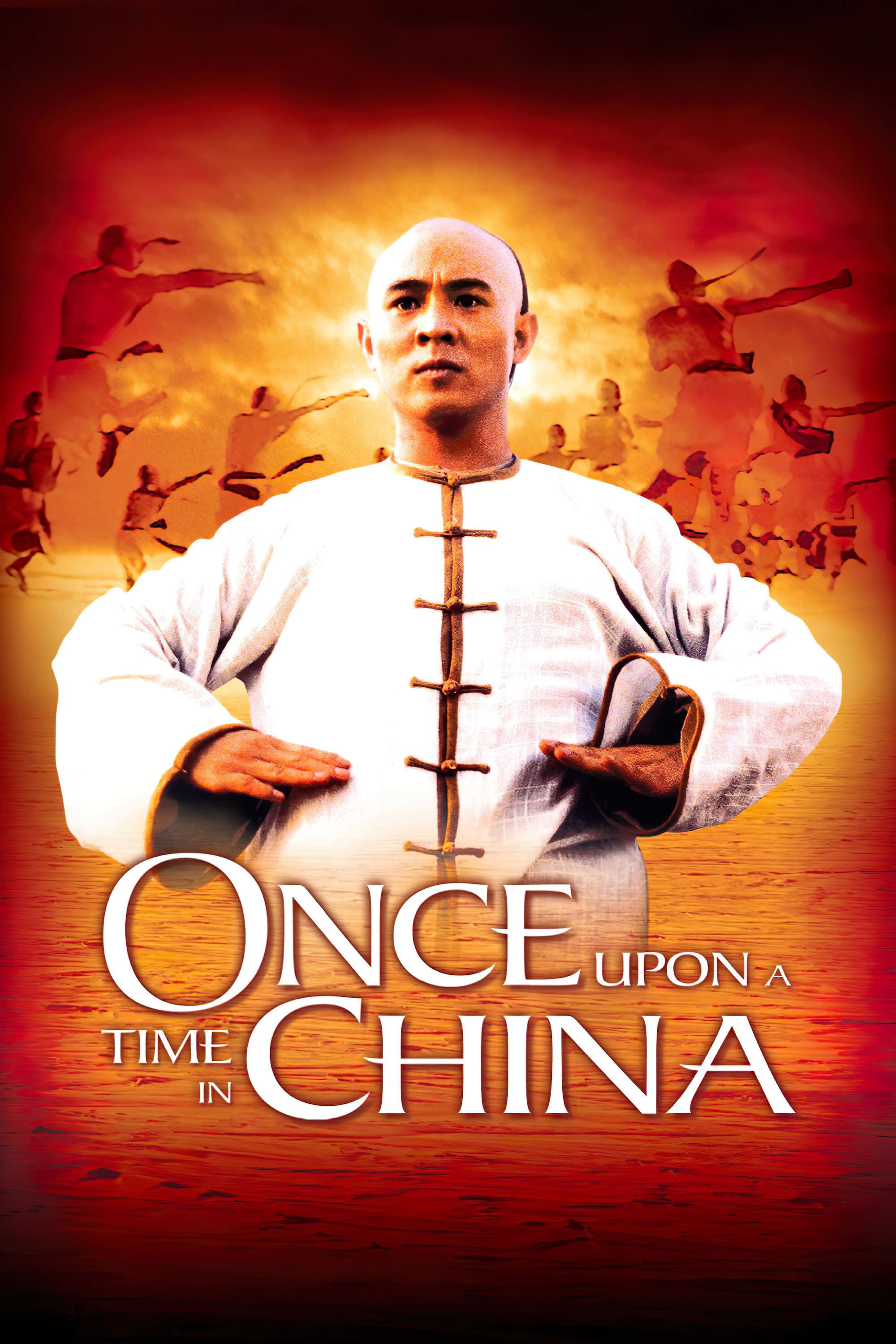


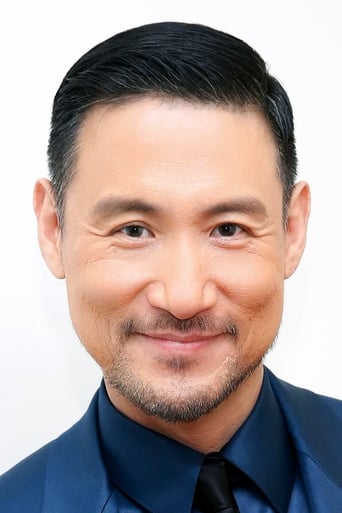

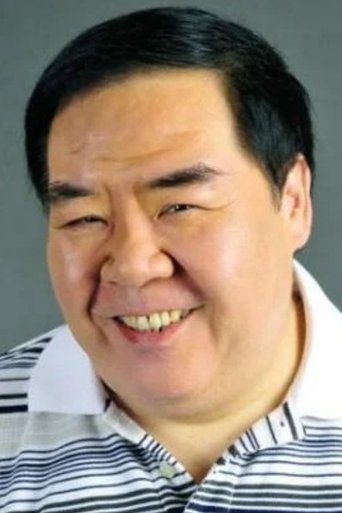

Arguably the best kung fu film ever made. An epic with five sets. Maybe it takes a bit of knowledge about the historical contexts, and familiarity with the character types (especially Wong Fei-hung himself, a real-life legend, some kind of combination of Robin Hood and Abraham Lincoln), but I'm amazed at how many well-realized characters there are (my favorite is the tragedy of Master Yim, the kung fu expert who can't make a living and compromises his sense of right and wrong for what he thinks is the greater good). Even Tsui's patriotism is more complexly layered than I'd realized. The film is of course stridently pro-Chinese and against the colonization of its cities by European and American powers, and this is linked to lingering anti-Manchu sentiment in Southern China that goes back centuries ("first we lost our land to the Manchurians, now they're selling it to the Europeans"). But this is tempered by the recognition that China has to modernize and that not everything Western is devilish. Wong's beloved 13th Aunt and his disciple So are both thoroughly Westernized and yet still sympathetic, and when Wong arrests a gang leader, no Chinese person will bear witness to his crimes. Only the local Jesuit priest will, recognizing that justice transcends religion, culture and race.