Σινεμά
Anthony Mann
Σκηνοθέτης
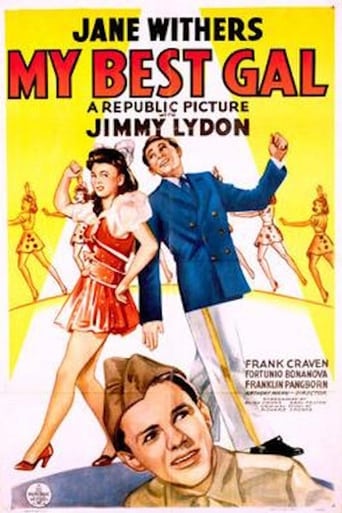
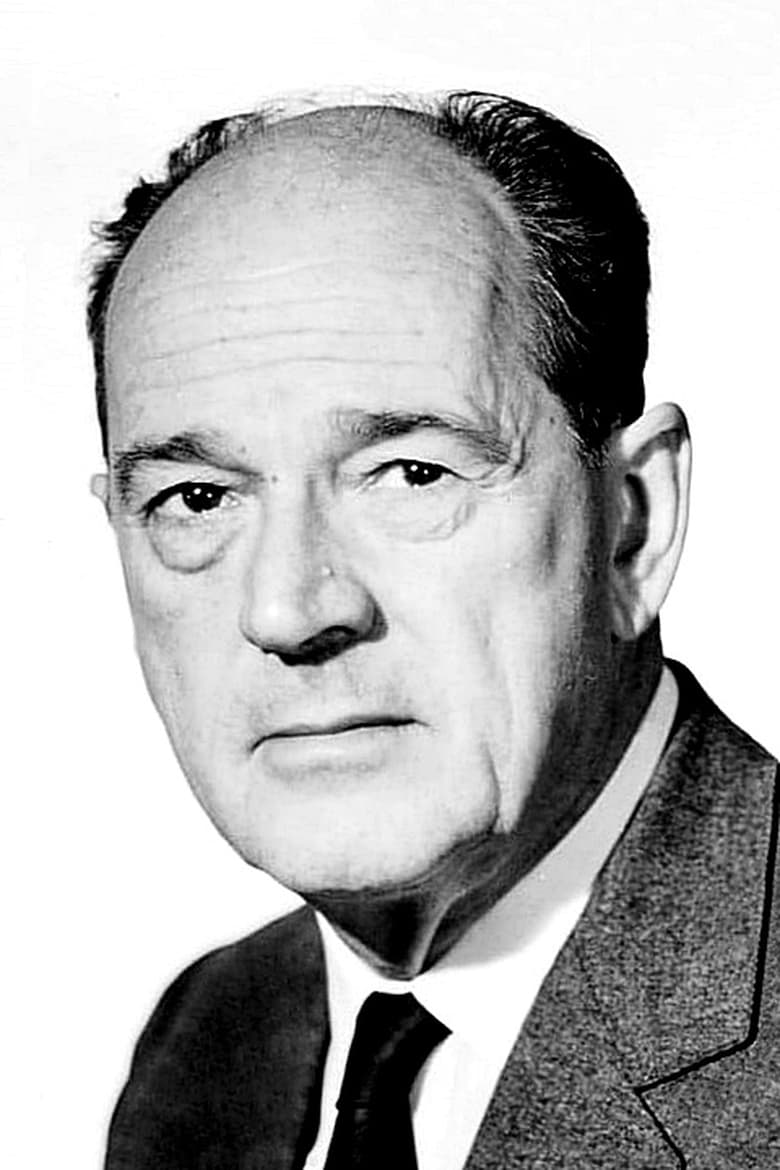
Anthony Mann (June 30, 1906 – April 29, 1967) was an American actor and film director. Born Emil Anton Bundsmann in the Point Loma area of San Diego, Mann was the son of Jewish-Austrian immigrants Emile Theodore Bundsmann, and his wife Bertha Waxelbaum (original Jewish surname: Weichselbaum) of Macon, Georgia. Mann started out as an actor, appearing in plays off-Broadway in New York City. In 1938, he moved to Hollywood, where he joined the Selznick International Pictures. Mann became an assistant director in 1942, directing low-budget assignments for RKO and Republic Pictures. Mann was respected for his acute visual sensitivity toward the American Western landscape, effortlessly blending natural vistas with human drama. Mann's dramas verged on classical tragedy, often showing anguished heroes attempting to resolve personal pain and confusion. In 1964 he was head of the jury at the 14th Berlin International Film Festival. In 1967, Mann died from a heart attack in Berlin, Germany while filming the spy thriller A Dandy in Aspic. The film was completed by the film's star, Laurence Harvey. For his contribution to the motion picture industry, Anthony Mann has a star on the Hollywood Walk of Fame at 6229 Hollywood Blvd. Description above from the Wikipedia article Anthony Mann, licensed under CC-BY-SA, full list of contributors on Wikipedia
Φιλμογραφία Anthony Mann
Φιλμογραφία48

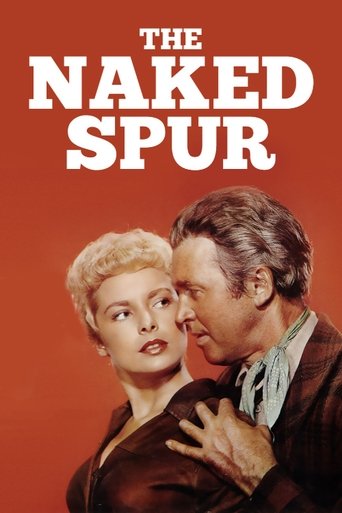
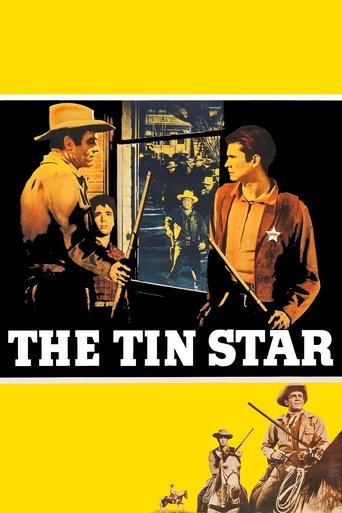
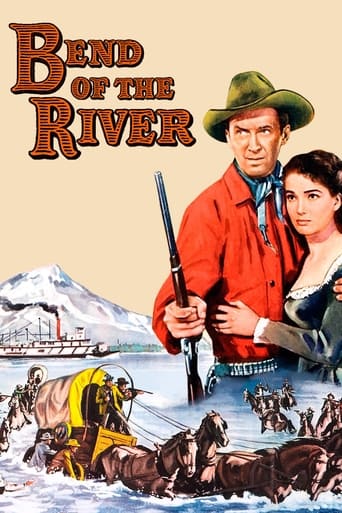

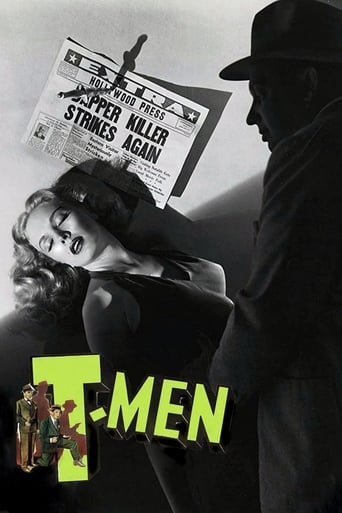
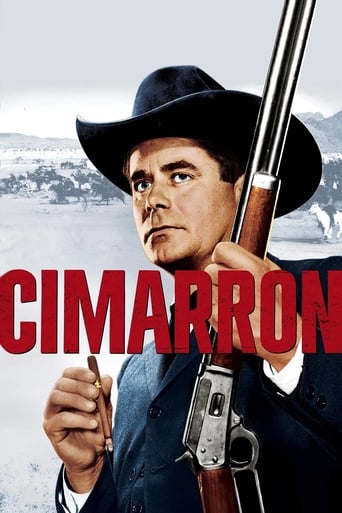
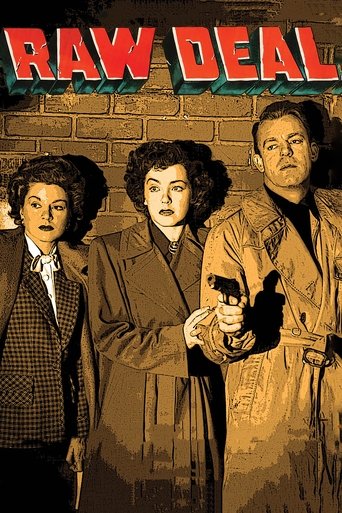
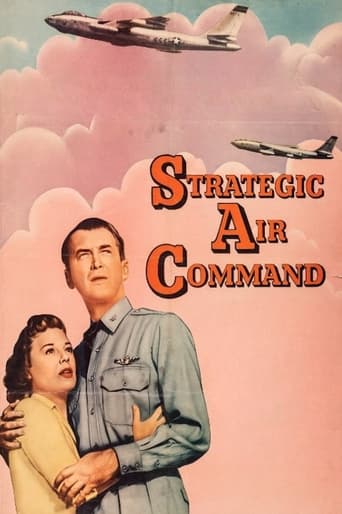
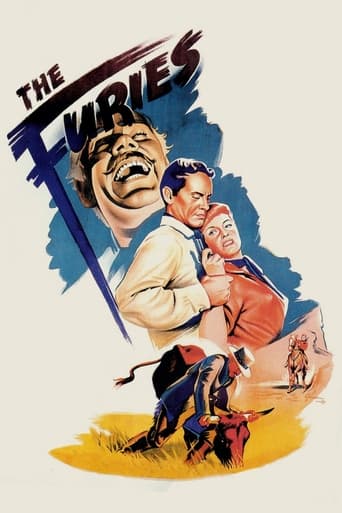
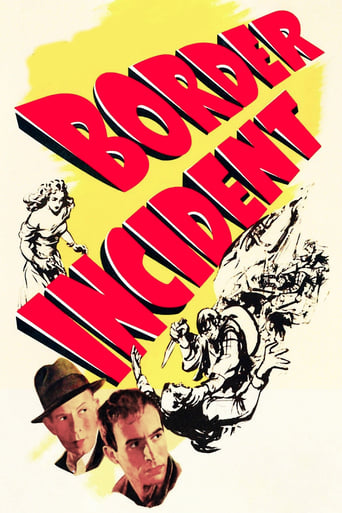
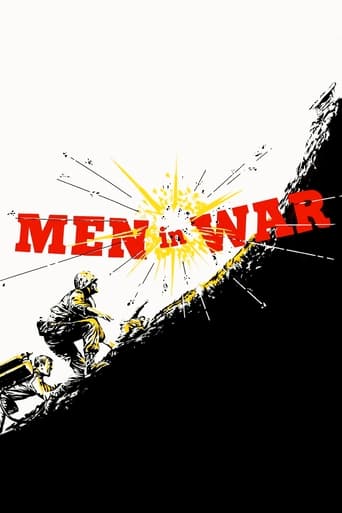
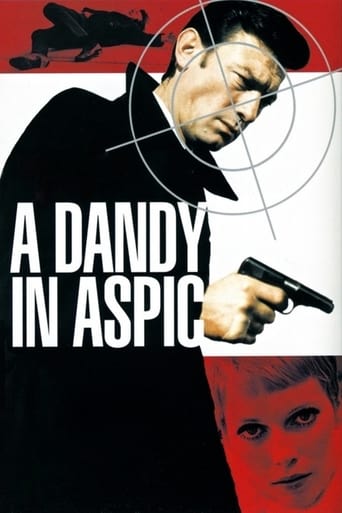
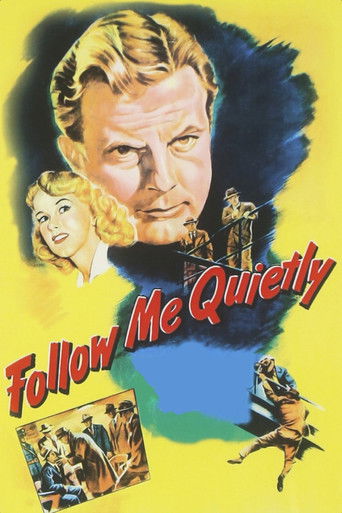
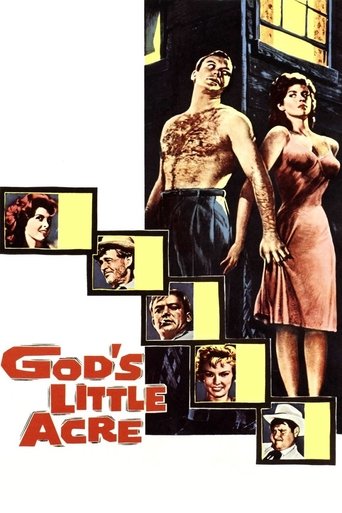
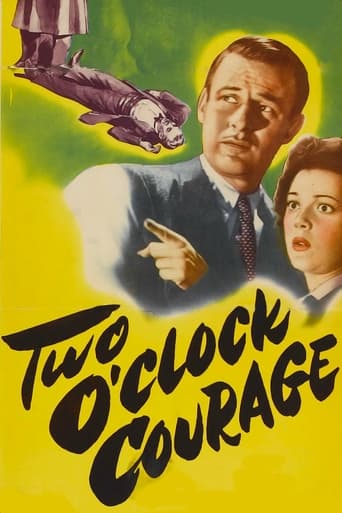
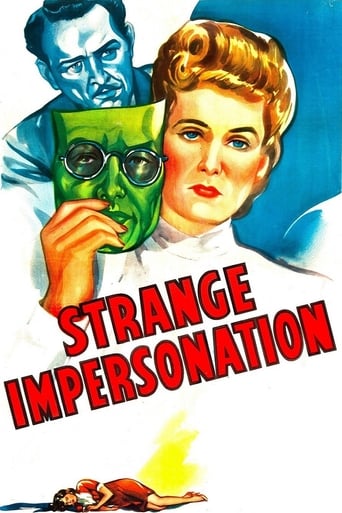

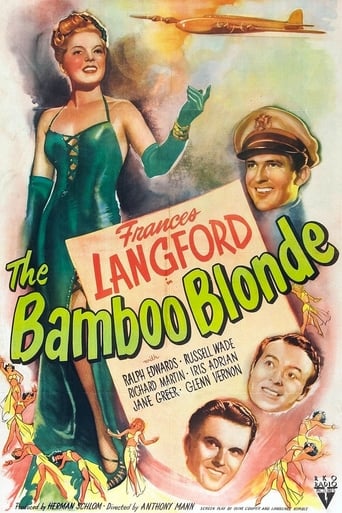

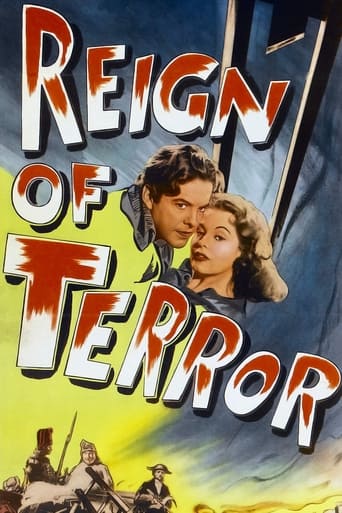

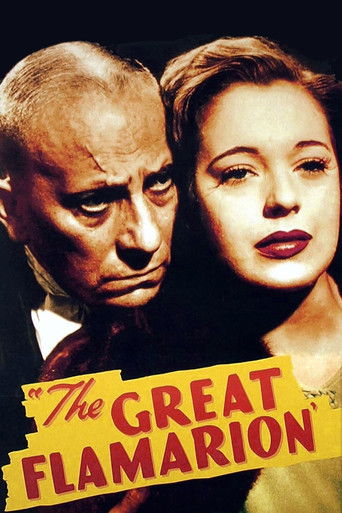
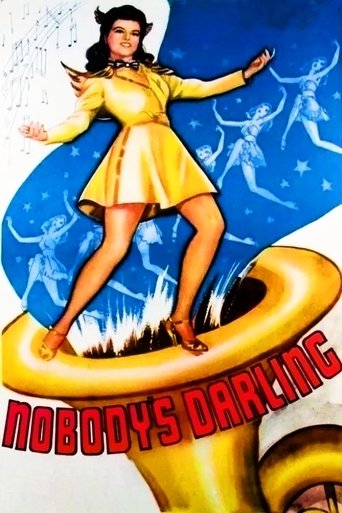
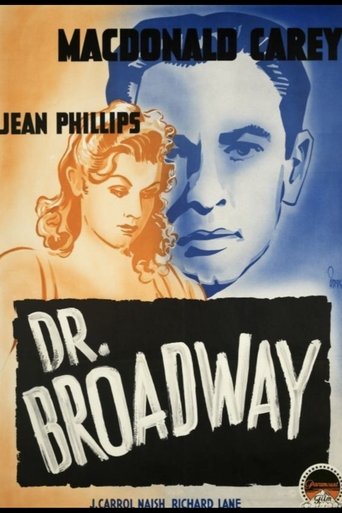
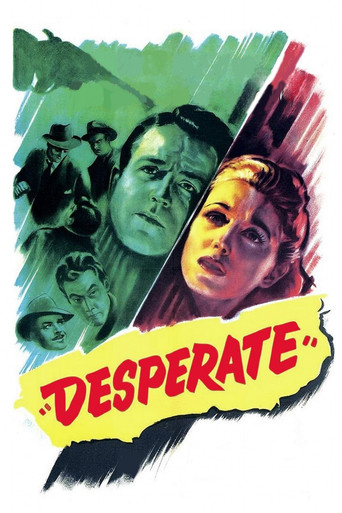


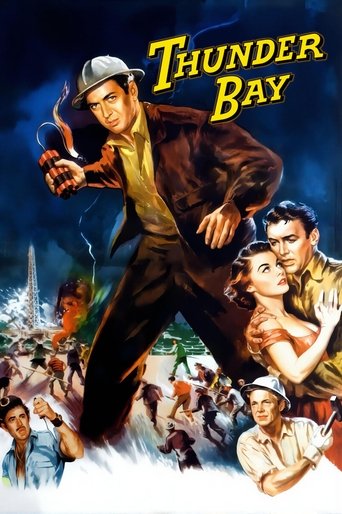
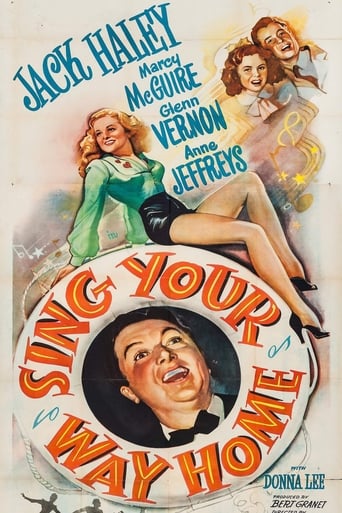


Μάθε πότε βγαίνει η επόμενη ταινία: Anthony Mann
Κάνε follow και θα σου πούμε μόλις φτάσει στα σινεμά.


Συχνές ερωτήσεις
Who is Anthony Mann?+
Anthony Mann was a prominent American film director known for his work in the Western and film noir genres during the mid-20th century.
What is Anthony Mann known for?+
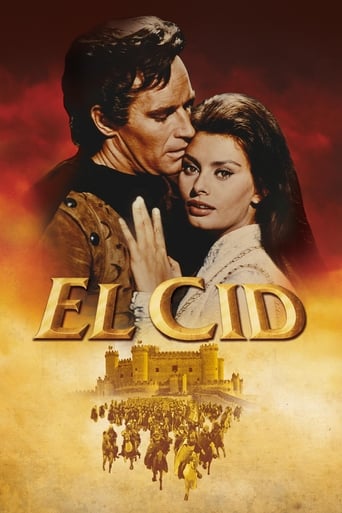
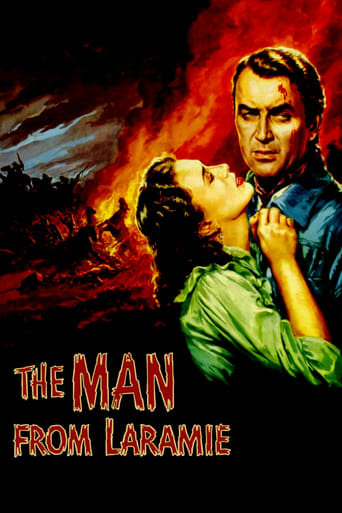
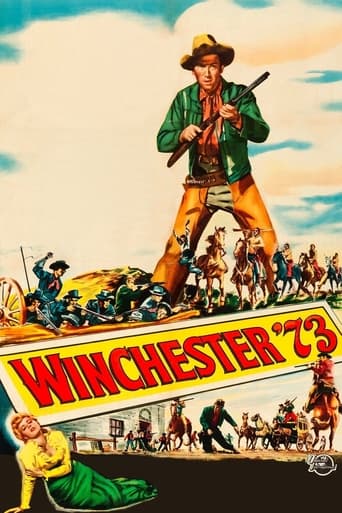
He is noted for a series of gritty film noirs and highly acclaimed Westerns, most notably Winchester '73, The Man from Laramie, and the historical drama El Cid.
What kind of work does Anthony Mann direct?+
Mann is known for his psychologically intense dramas and the effective use of natural landscapes to reflect character conflicts in his films.
Which company is Anthony Mann associated with?+
Mann was associated with studios including RKO and Republic Pictures, as well as his frequent collaborative work with star James Stewart.