Σινεμά
Ernst Lubitsch
Σκηνοθέτης
Ernst Lubitsch (January 29, 1892 – November 30, 1947) was a German film director, producer, writer, and actor. His urbane comedies of manners gave him the reputation of being Hollywood's most elegant and sophisticated director; as his prestige grew, his films were promoted as having "the Lubitsch touch". Lubitsch is best known for screwball comedies and romantic comedies, such as Trouble in Paradise (1932), Ninotchka (1939), The Shop Around the Corner (1940) and To Be or Not to Be (1942). While being escapist, his films often offer social commentary on human relationships and society in a satirical way. Andrew Sarris in his influential book of film criticism The American Cinema: Directors and Directions 1929–1968 included him in the "pantheon" of the 14 greatest film directors who had worked in the United States.
Ταινίες με τον/την Ernst Lubitsch που παίζονται τώρα
Παίζει τώρα2


Φιλμογραφία Ernst Lubitsch
Φιλμογραφία99
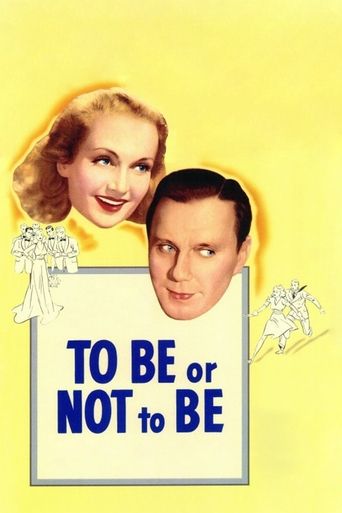
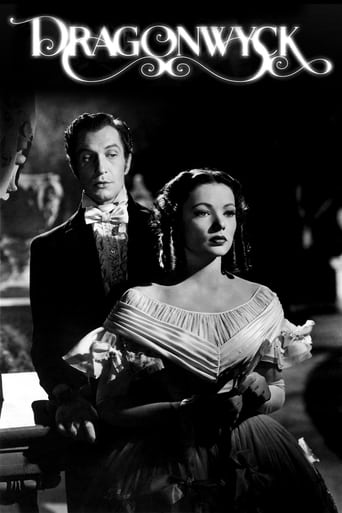
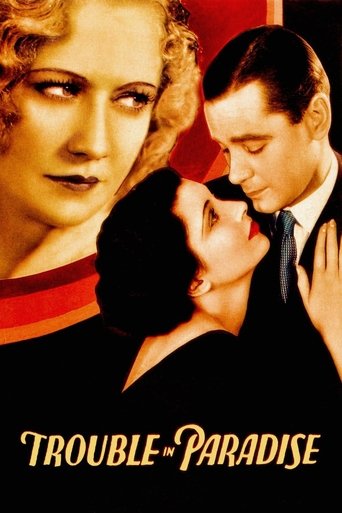






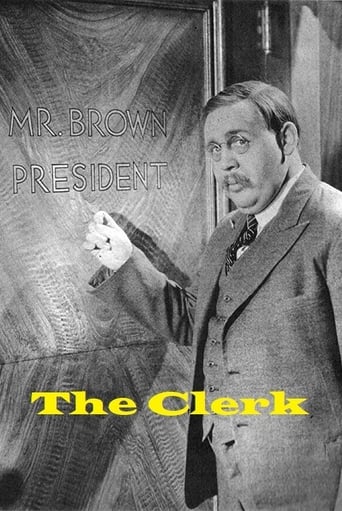

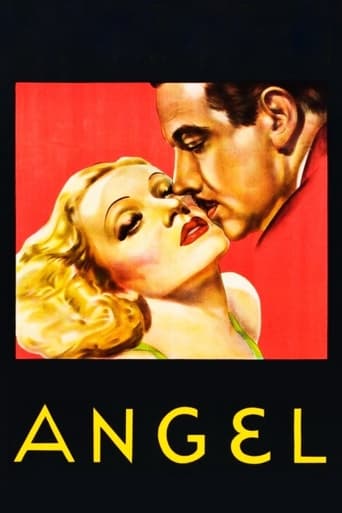
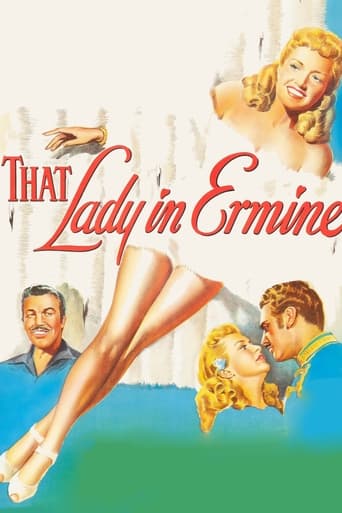

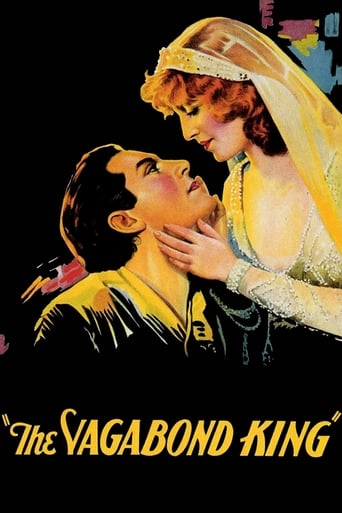

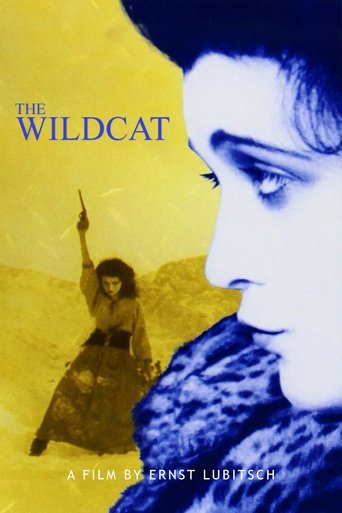







Μάθε πότε βγαίνει η επόμενη ταινία: Ernst Lubitsch
Κάνε follow και θα σου πούμε μόλις φτάσει στα σινεμά.


Συχνές ερωτήσεις
Who is Ernst Lubitsch?+
He was an influential German-born filmmaker who transitioned from the European silent era to become a central figure in Hollywood, known for his refined approach to romantic comedy and social satire.
What is Ernst Lubitsch known for?+
He is primarily recognized for creating the 'Lubitsch touch'—a stylistic hallmark characterized by subtle wit, narrative economy, and sophistication in films such as The Shop Around the Corner, To Be or Not to Be, and Ninotchka.
What is the 'Lubitsch touch'?+
It refers to his ability to use visual suggestion, ironic character interactions, and dry humor to convey complex emotions or narrative points without relying on dialogue, often leaving the audience to infer the subtext.
Δεν σου κάνει;Όλες οι ταινίες στην Αθήνα