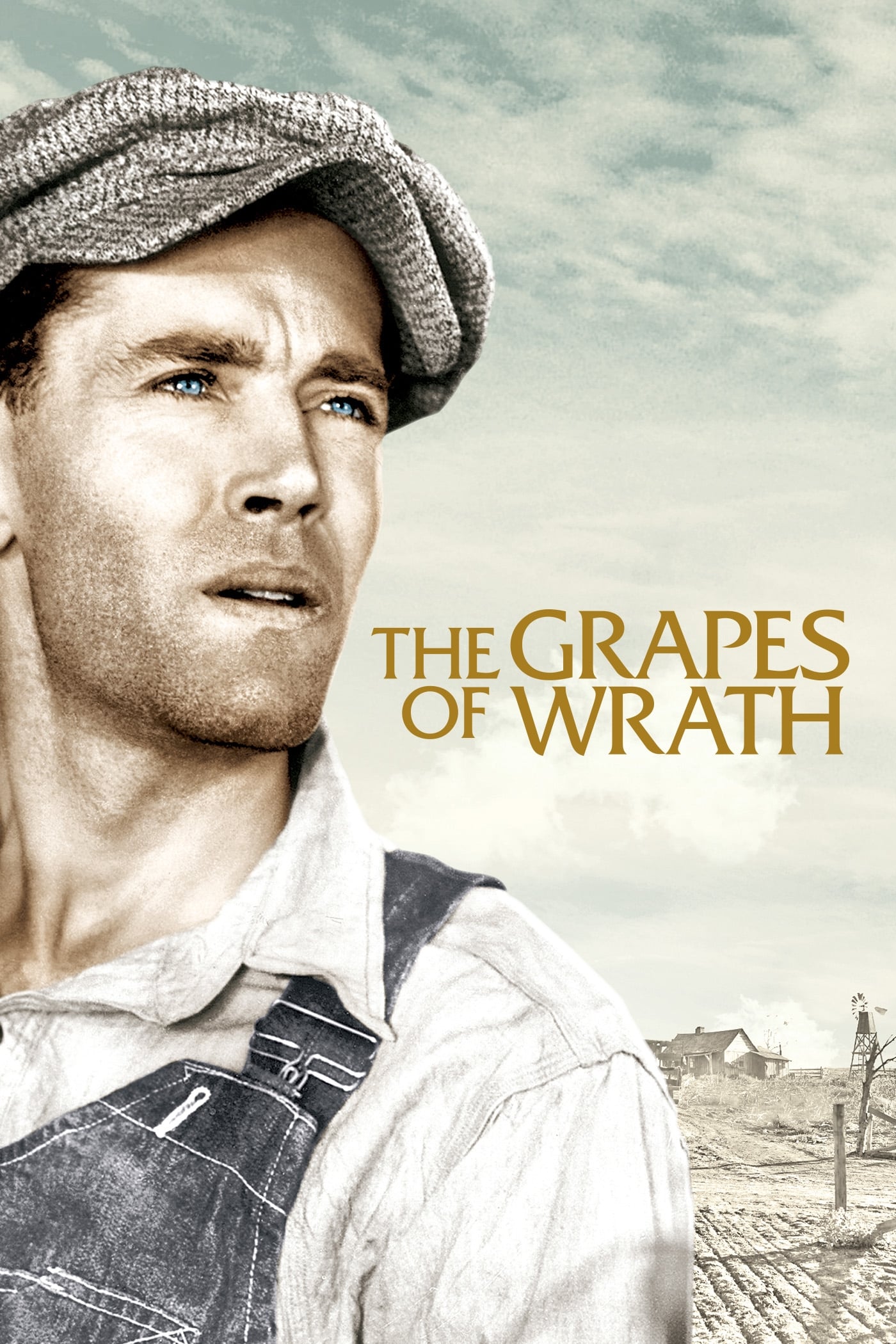


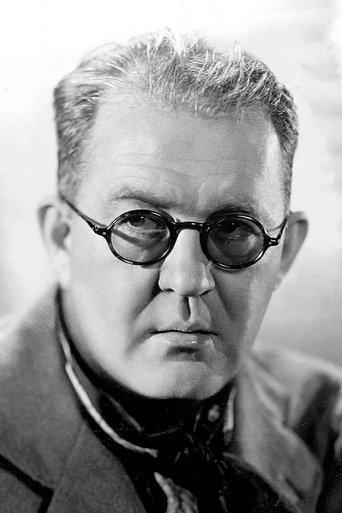


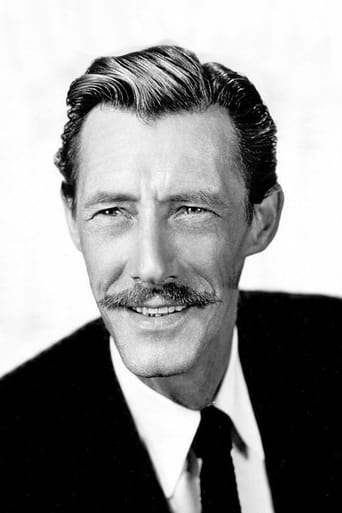
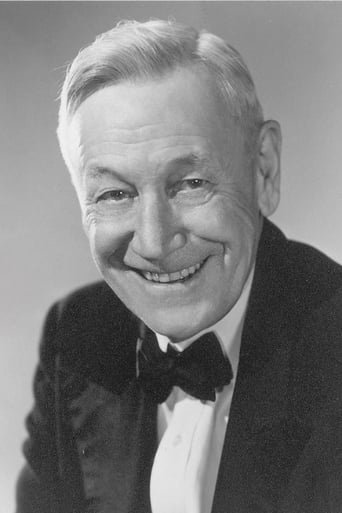


It's hard to imagine that The Grapes of Wrath was ever published in America, let alone made into a Hollywood film. Class consciousness is something rarely seen in the media, but it's important that we're aware of it. As the film shows, fighting inequality is not about ideology (being a 'red') but about acknowledging an obvious injustice. John Ford, despite his conservative associations, did make films about unions (see also How Green Was My Valley) and he creates a poetic melancholy in The Grapes of Wrath through the tale of poverty and desperation. His technique is, as always, well considered and his use of shadows and silhouettes creates anonymity amongst the suffering.It's difficult to approach a classic like The Grapes of Wrath, because every reasonably valid interpretation has already been put forward. Its story of lost dignity and the consequences of greed remain pertinent and have been thoroughly analysed. The lost preacher who sees things clearly, the American Dream unmasked as a lie, the way history is wiped away by modern advancement, The Grapes of Wrath is pretty much a cultural landmark in all the things it represents. There are key takeaways like the way law works to protect the owner class over workers, or the fact that the real tragedy when the grandpa dies is not that the characters can't pay for a funeral but that they realise it's a blessing as death means he's free from the suffering they have to deal with.Ford's The Grapes of Wrath is a powerful film but not a sentimental one. It's an exercise in hopelessness, ignorance, and the false security of promised jobs. This is a time when America became a country filled with starving children and poverty-stricken neighbourhoods (not that these don't still exist) and that's a history people need to not forget. Ford's film finds tiny joys in this very tough world and that's a counterbalance which makes it even more powerful. This is an important piece of legacy cinema, and one that reminds us of the brutality which exists in such a desperate society. Yet, when all is said and done, the world won't look kindly on those who benefited from such suffering. It's the faces of the impoverished that will change the world eventually. Truly, the people will go on forever.My Top Films of the 1940s