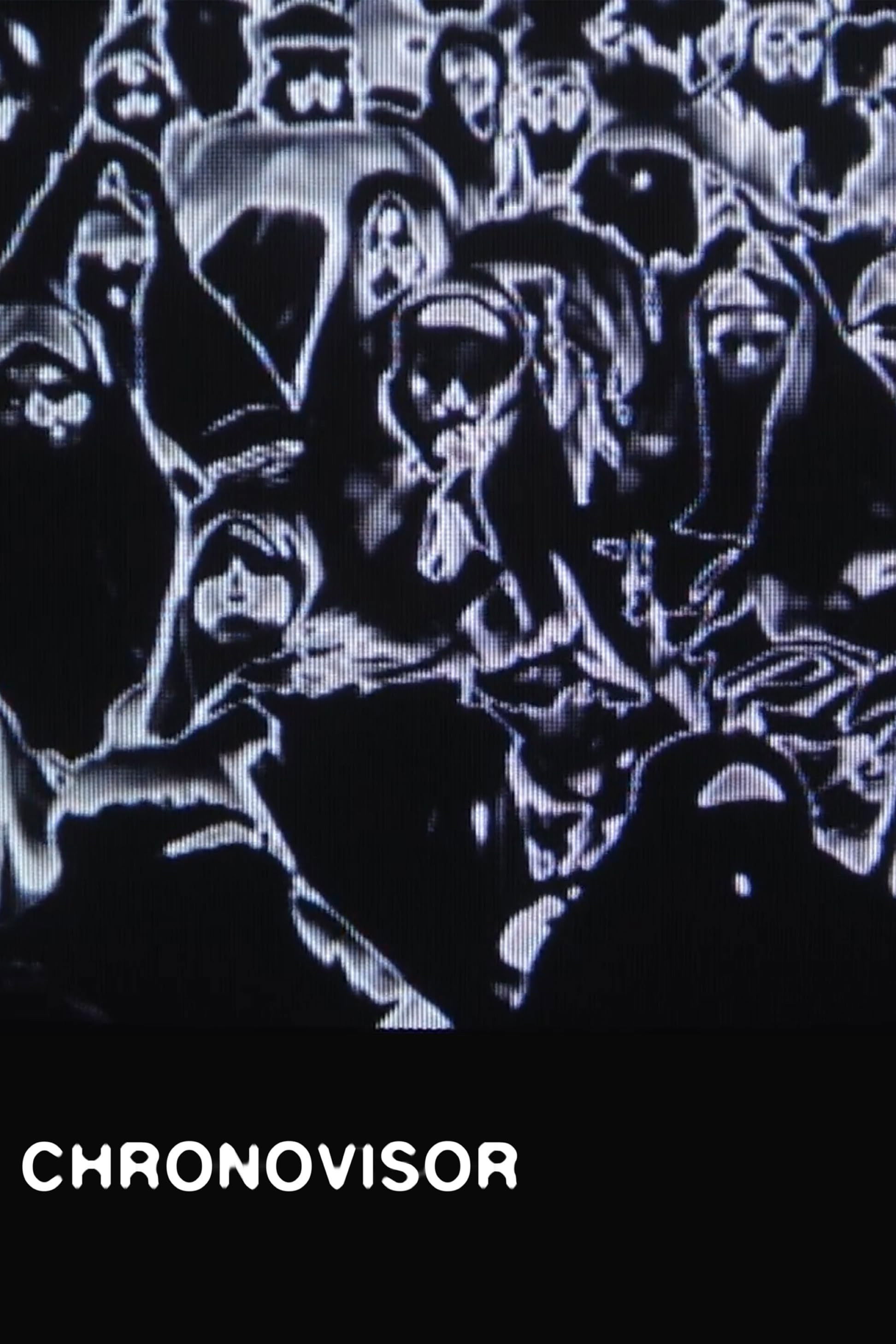



Chronovisor places so much emphasis on the act of reading, employing techniques reminiscent of David Gatten and Michael Snow (particularly SO IS THIS). While this is thrilling in and of itself, what elevates the act is how it places us into the headspace of Béatrice Courte, our neuroscientist protagonist. She becomes fascinated by the titular object, a time-traveling device invented by the Italian Benedictine monk Pellegrino Ernetti (there’s only bits of information about it online, look it up), so much so that it interferes with her actual duties. It’s already exceedingly rare for a film to capture the thrill of reading onscreen, but Chronovisor is able to do so through an unfurling cascade of excerpted and translated texts, making Courte’s increasing obsession and simultaneous myopia real, relatable, and understood. (A lot of recent films about conspiracy don’t allow viewers to feel this transformation themselves, thank god this is different.)The presentation of the “evidence”—various source materials that are presumably both real and fake, found through others and on one’s own, with text highlighted to capture how one’s eyes may scan an article for the information that excites them—also makes clear how biases and translations and personal investments fold into history and then in on themselves. (I’m also amused by the very real truth that research into niche topics often requires lying to get the access you want.) The moments when the highlighted translations are actually not translations at all, simply placing English text over English text, point to the quiet absurdity of confirmation bias, but also memory and experience. This notion is present in the visual evidence too, when VHS tapes signify everything from independent documentaries to found-footage horror to more contemporary vlogs. It’s there in the bits that recall both video art from Nam June Paik and computer art from Lillian Schwartz. It makes you think of the sort of film Chronovisor would’ve been if it hadn’t used 16mm for most of the runtime—surely it could’ve easily adopted a resolutely B-movie style, and you can envision how differently certain scenes would scan. All these visual histories collapse together, which then makes the themes and ideas and plot do the same. It’s a major debut—one of the greatest American independent films of the decade.