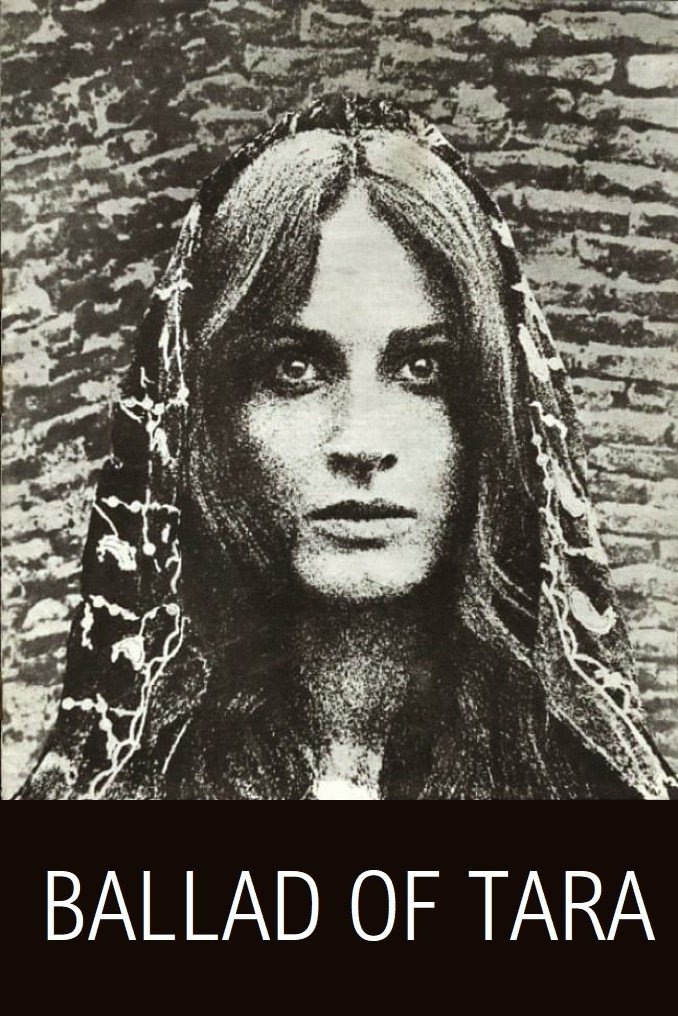







I'll borrow from an article on the film found in a blog titled Neo-Resistence: "The Ballad of Tara is a metaphoric depiction of women as the guardians of goodness, courage and historical continuity. Director Bahram Beizai's films are almost invariably centered on a strong female lead [and Ballad of Tara is no exception], for he believes: 'It is in a patriarchal society that the lack of presence of a man in the leading role invokes critical attention ... the greatest disaster of patriarchy, where grownups decide for children and men for women and the government for the real people and the intellectual for the imaginary ones, is that it is the women and children who suffer the consequences of the men’s decisions. The victims of patriarchal self-centeredness are not only the women and children, but also many a man. These people are my subjects. Against a masculine tyranny, the children build up a hatred that will make them the martyrs or the tyrants of the future. The women, on the other hand, have their internal defense mechanism and a subtle wisdom that balances them against the violence of the world.'" [source: Iran Chamber Society]Ballad of Tara was made in 1979, the year of the Iranian Revolution and was quickly banned by the new government. In addition, the lead actress Sousan Taslimi in her exceptional debut was limited in her subsequent ability to work and finally expatriated to Sweden by 1989 where she still lives and works . Ballad of Tara is a film which deserves more representation in critical circles and in availability. Presently it's on YouTube in Persian with co-existing French and English subs.