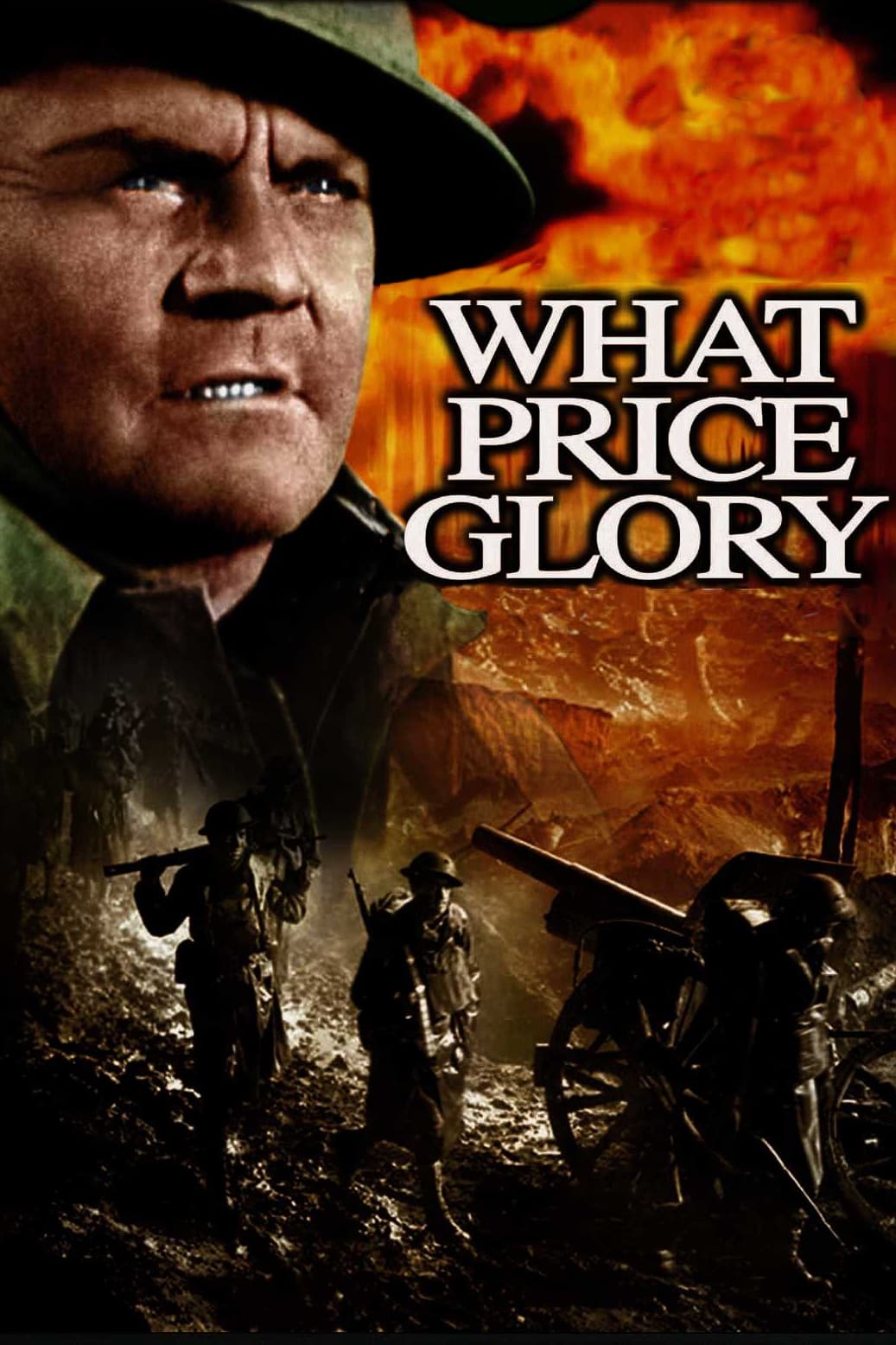
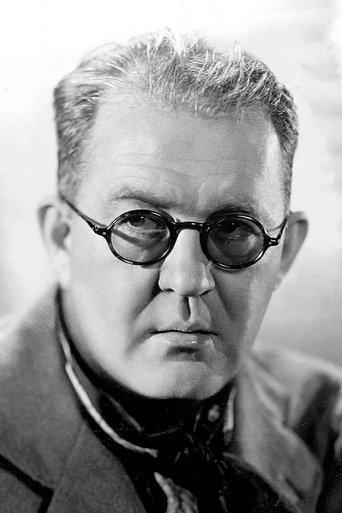
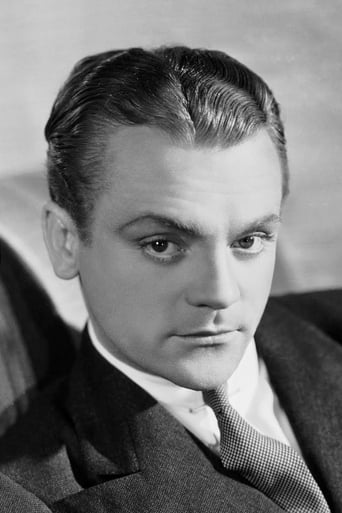
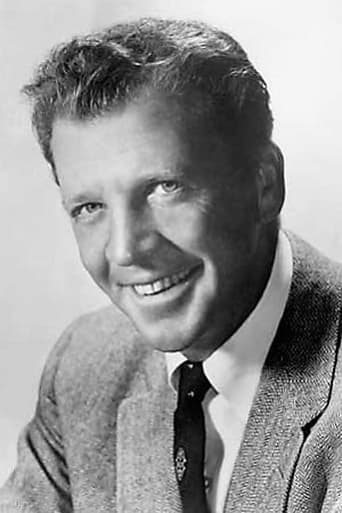
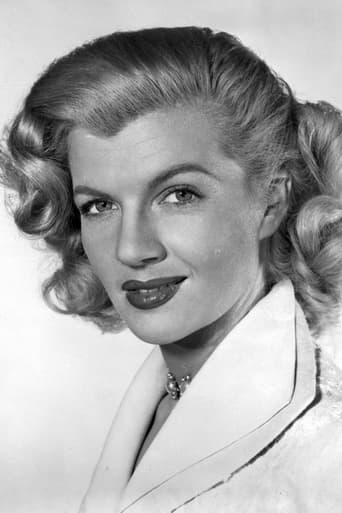
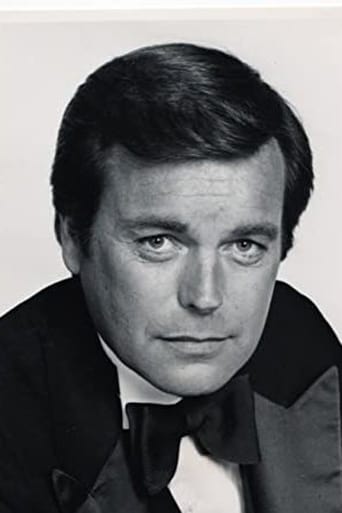
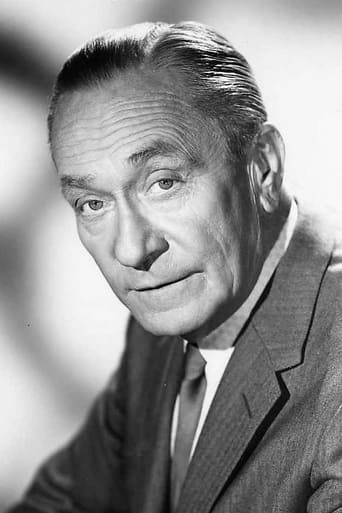
What Price Glory is quite a tone shift from The Quiet Man. From Technicolor Ireland, John Ford moved to the battlefields of France in World War I: What Price Glory opens with a stunning shot of Marines crossing a muddy terrain after fighting. A matching shot at the end shows them crossing the same landscape, going back into battle.The story in between is a jumble of comic, tragic and romantic scenes. There’s a little music too. James Cagney plays Captain Flagg, leader of one of the first American Marine companies fighting in France. Dan Dailey is Sergeant Quirt, his friend and rival who has to get the newly arrived Marines ready to go to the front. Flagg and Quirt greet each other like Clouseau and Cato, picking up a fight that has gone on for years. They circle and spar for the whole movie, often at odds over Charmaine (Corinne Calvet), a French barmaid who has won the attention of both of them.This is not a conventional love triangle and What Price Glory is not a conventional war movie. That jumble of scenes pulls the audience in different directions, with some quick changes and tricky characters to sort out. War is depicted as chaotic and maddening, brutal on those who serve. (Ford typically honored the dutiful lower ranks and resented the officer elite, like the captain Cagney would later play in Mister Roberts. That’s true here.)This is a movie about the chaos of war, but it’s from an unusual angle. It’s about the distorted and limited relational attachments during war: The paradox in it is that there are too many men and not enough: There are few French men of marriageable age around for Charmaine, since they are away fighting, so she looks to the American and British military men in the town. Meanwhile, there are no American women for Flagg, Quirt and the doughboys to marry, so they look to French women like Charmaine. There were brief thoughts of making this movie a musical. Then someone wisely reconsidered, maybe realizing what sort of songs they would have to write for Charmaine. Calvet sings a bit of “Oui, Oui Marie” to a room full of military men and it’s suggestive enough. A little more and the Production Code Office would have woken up. The movie stops just short of calling Charmaine a prostitute. Her character has little dimension beyond this. The writers gave another song to a young French girl (Marisa Pavan) who falls in love with an American Marine (Robert Wagner), but that’s the extent of the music. The cruel irony is that her song to him is both sweet love ballad and funeral hymn, the song that accompanies him to death.The young lovers are divided instead of united. Meanwhile, Flagg and Quirt end up fighting each other over Charmaine. Nothing works out as it should; nothing gets sorted the right way. All the relationships are stressed or disordered because of the war: The men have to go fight. The women have to watch them go. This is a recurring theme in Ford: Some of his strongest images, like Claudette Colbert watching Henry Fonda march away in Drums Along the Mohawk, are of departure to war. Calvet and Pavan are in good company.Those bookend scenes tell the story: The first duty is to country, even if it intrudes on all others.This was a lived reality for audiences in 1952: The Korean War was underway and the draft was active for the third time since 1917. Under the law, young unmarried men were required to serve in the military for a certain term, including protracted service abroad. Their social relationships were monitored and regulated by the military.The draft is central to this fictional story too. It’s set in 1918 in a village near the front in France, where American soldiers and Marines are camped. Many of them are young draftees, ill-trained and ill-suited for this terrible ordeal. (The draft began at age 18 but some even younger served.)France also instituted three-year mandatory military service in 1913. The Great War began the following year. Before it was over, more than eight million French men served and more than a million of them died. These were men who would otherwise be forming relationships and building families. Instead, they were lost to the war. The huge loss of life created a generation of war widows in France and single women who had no men to marry. (Homosexuality was not unlawful in France in this period but same-gender marriage was.)Charmaine and Nicole are thus representative figures - one older, without freedom or true romance, who becomes almost commodified for the visiting military; the other younger, who becomes a war widow before she is even married. Charmaine is also likely to become a war widow or an expatriate war bride, marrying but forced to leave her country. (There is no sense she seriously loves Flagg or Quirt or vice versa. It's mostly an escape plan for all of them.)The losses of war extend outward, into the way relationships are formed or missed and the ways families are created and sustained. The ‘dance’ between Cagney and Dailey is not homoerotic, but it does signify a substitute family bond between the two men in which their roles as military men take the place of other relationships. They have to fight. Though they want to get back home and have a normal life, the battle is their only home: They can’t leave as long as “little boys, little boys, little boys” are being killed, as Flagg cries in agony as he watches the young men under his command lose their lives at the front. Flagg has to be protective father to boys not his own, who are too young to be there and too poorly equipped. Meanwhile, the upper echelons offer no protection to him: They break their word, even as Flagg follows their orders. James Gleason shows up for one scene as a general, a guy about a day away from shoving a gold watch up his ass. The movie gets progressively twisted, more and more jumbled–comic and tragic together, with Flagg and Quirt increasingly desperate to get out of their situation and ‘win’ Charmaine. However, Flagg can’t go home or get married as long as the war is on and his boys are in battle. Neither can Quirk. The last scene of the movie shows them marching together unto the breach once more, likely unto death.What Price Glory is an adaptation of a play by Maxwell Anderson and Laurence Stallings. Stallings had lost a leg in the war and he was writing to some degree from his own experience. That was unusual at the time. When the play ran on Broadway in 1924-25, it shocked audiences with its profanity, its directness and its anti-romantic view of the military. They were used to far more romanticized and sanitized depictions of war, with shallow patriotic uplift. This more realistic and psychologically raw depiction of the lives of draftees was successful, though, and the play ran over a year. There was also a movie version by Raoul Walsh.This second movie version came a few years after World War II and in the midst of Korea, but it’s still a critical ground-level look at military service, as raucous, undisciplined and desperate. Ford paints some scenes with the red glowing lights of hell. He lingers over fresh-dug graves. He shows the deaths of kids who can barely shave and the bloody futility of almost everything this outfit does. By the time we get to the final scene of Flagg and Quirk as brothers in arms, we know where they are marching and why.I expected fairly little of this movie. It’s not well-known or very highly regarded in the Ford catalog, but a few scenes punched me hard. There’s a lot of noise and jangle, then suddenly Ford delivers a banger of a scene - a masterful composition, a sublime image and I’m on the floor. War is hell. Ford had been through it and so had most of the audience, one way or another. This movie was representation and maybe a little recovery.Recommended if you want a World War I drama with a lot of noise and several gut punches.
John Ford’s comedy drama is the wartime romantic misfortunes of Captain Flagg, leader of a corporal of US Marines in 1918 France. Starring James Cagney, Corinne Calvet and Dan Dailey. Adapted from the 1924 play of the same title by Maxwell Anderson and Laurence Stallings, the story concerns conflict which breaks out between marine Captain Flagg (James Cagney) and Sergeant Quirt (Dan Dailey) when they fall for Charmaine (Corrine Calvet), the daughter of the local innkeeper. The two carry on their former rivalry to get Charmaine’s heart. James Cagney and Dan Dailey both give good performances in their respective parts as the marine and the sergeant battling it out to make sure they are the one who wins the affections of Charmaine. Elsewhere, Corrine Calvet is decent as the woman who has a decision to make over which man she loves the most, while William Demarest as Corporal Kiper, Craig Hill as Lieutenant Aldrich and Robert Wagner as Private Lewisohn are all respectable. The direction from Ford is good because he allows the facial expressions to be seen to a strong effect throughout, while also keeping a mixed atmosphere happening as well. The script is written to a decent standard by Henry and Phoebe Ephron as they make the movie good to follow and creates some humour too, meaning the movie never takes itself too seriously. But even when the movie isn’t funny, you can still understand what is happening, because the narrative is definitely there from beginning to end. The camera stands out best in terms of the technical aspects, because it makes good use of the locations and also captures the tense and funny moments well, which get the edge-of-the-seat status. This year though, John Ford will be best remembered for The Quiet Man, which won him the Academy Award for Best Director (his fourth and final Oscar). Overall, it is not outstanding, but What Price Glory is a fine adaptation of the play, due to the good performances, direction, script, mixed atmosphere, tense moments and some humour.