
Music
Swell Maps
A raw, nostalgic post-punk artist.
Tracks5
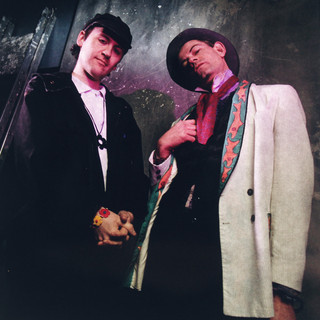
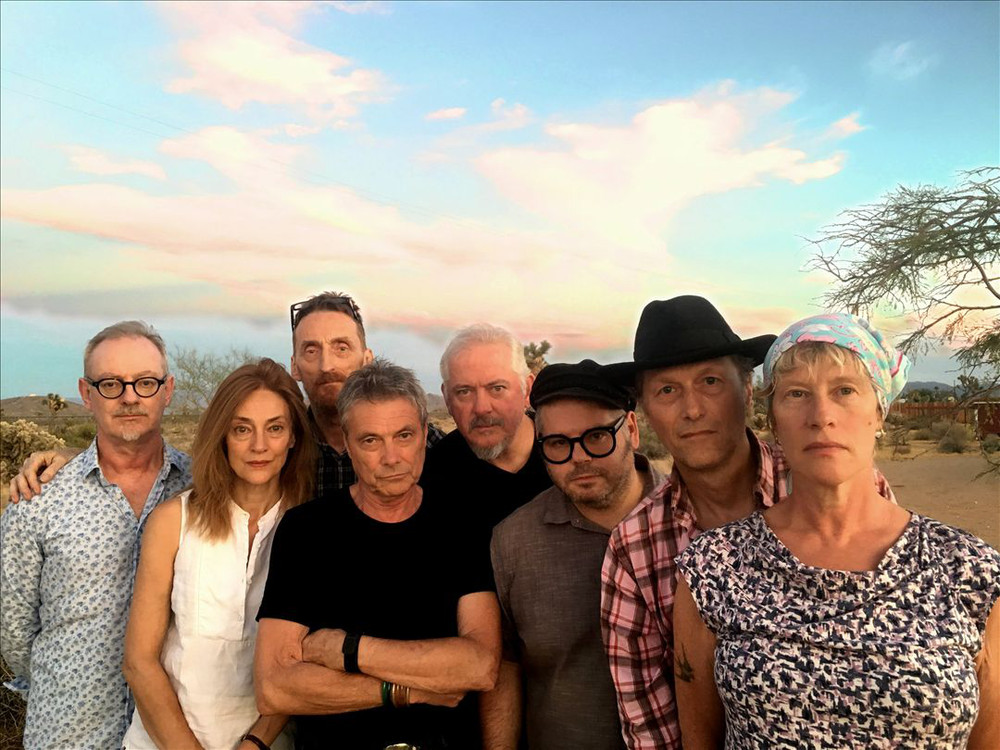
A gang of six English teenagers started to play music together in their obscure Midlands hometown of Solihull in 1972. This project evolved until it came to be known as Swell Maps, centred around four core members: Nikki Sudden (guitar, vocals), Epic Soundtracks, (drums, keyboards), Richard Earl (guitars, vocals), and Jowe Head (bass, guitars, vocals). Swell Maps recorded & produced the tracks for their debut single, Read About Seymour themselves, in late 1977. They released this independently on their own label, Rather Records; this was when “do-it-yourself” record releases by bands was still a bold new idea. These days, the band are now acknowledged as one of the pioneers of what is now often known as the “Alternative Rock” scene. Musically, they mixed punk rock with experimental & psychedelic sounds. Swell Maps released four singles & two albums in a brief but dramatic career, in a partnership with Rough Trade Records. This led to them topping the UK independent charts, & influencing a diverse array of bands such as Sonic Youth, Nirvana, Pavement, Stereolab, The Pastels, & Blur. The original incarnation split up in 1980. Their two original studio albums, A Trip to Marineville & Jane from Occupied Europe, continue to be available & still attract enthusiastic new listeners, due to re-releases by Mute in Europe, & Secretly Canadian in the USA. In 2021, Jowe Head started a new incarnation of the band, called Swell Maps C21.

New Swell Maps dates land in the app first
Follow once, hear about them before tickets go on sale.


Venues where Swell Maps plays
Plays at

Similar Artists
Similar Artists

Music profile
energy
65
polish
25
commerciality
35
fashion
10
locality
60
nostalgia
70
age
50
Common questions
What kind of music does Swell Maps play?+
Swell Maps is known for their post-punk sound, blending punk rock energy with experimental and psychedelic elements, as heard on albums like 'A Trip to Marineville'.
How can I find out when Swell Maps is playing?+
Follow Swell Maps on Mood to stay informed about their live performances and tour dates.
Who were the core members of Swell Maps?+
The original core members of Swell Maps included Nikki Sudden, Epic Soundtracks, Richard Earl, and Jowe Head. Jowe Head later started a new incarnation called Swell Maps C21.
Where is Swell Maps from?+
Swell Maps originated from Solihull, UK, forming in 1972 before becoming influential in the British post-punk scene.
Related searches
- swell maps concerts
- swell maps tour dates
- swell maps music
- artists like swell maps
- swell maps jane from occupied europe
- swell maps a trip to marineville
Not feeling it?All events in Athens