The Lovin' Spoonful
A nostalgic, mainstream folk rock artist.
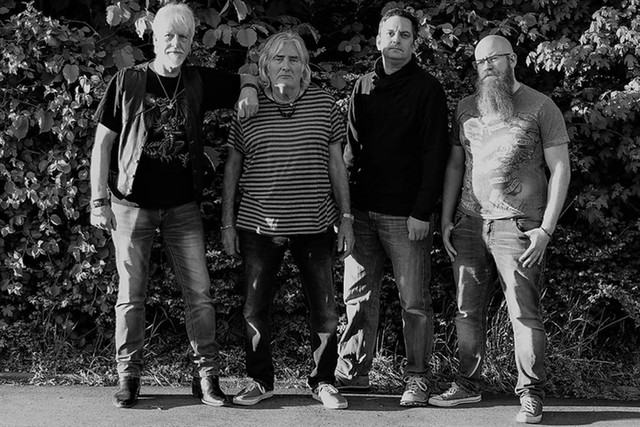
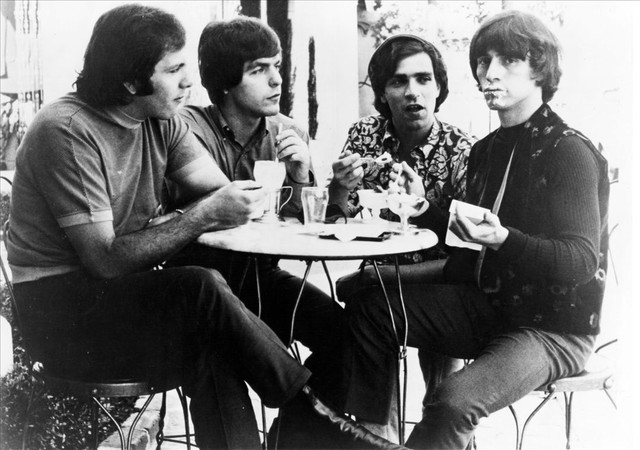
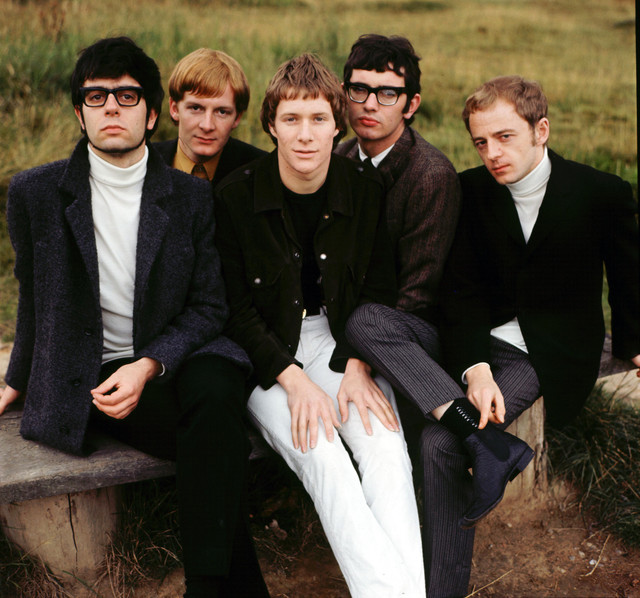
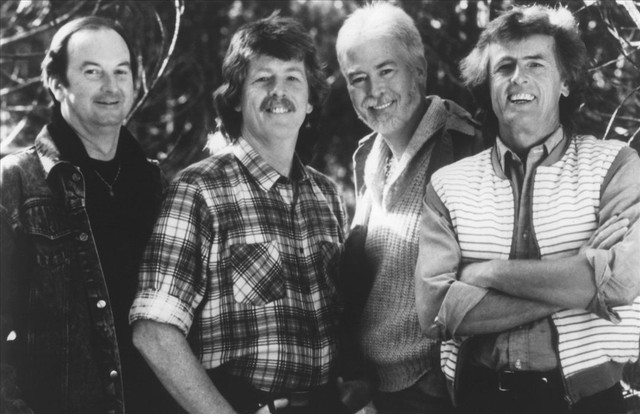
Right on the tails of the Beau Brummels and the Byrds, the Lovin' Spoonful were among the first American groups to challenge the domination of the British Invasion bands in the mid-'60s. Between mid-1965 and the end of 1967, the group was astonishingly successful, issuing one classic hit single after another, including "Do You Believe in Magic?," "You Didn't Have to Be So Nice," "Daydream," "Summer in the City," "Rain on the Roof," "Nashville Cats," and "Six O'Clock." Like most of the folk-rockers, the Lovin' Spoonful were more pop and rock than folk. Much more than the Byrds, and even more than the Mamas & the Papas, the Spoonful exhibited a brand of unabashedly melodic, cheery, and good-time music, though their biggest single, the chart-topping "Summer in the City," was uncharacteristically riff-driven and hard-driving. Leader and principal songwriter John Sebastian was a young veteran of the Greenwich Village folk scene when he formed the band in 1965 with Zal Yanovsky, who'd already played primitive folk-rock of a sort with future members of the Mamas & the Papas in the Mugwumps. Sebastian already had some recording experience under his belt, playing harmonica (his father was a virtuoso classical harmonica player) on sessions by folkies like Tom Rush and Fred Neil. The Spoonful were rounded out by Steve Boone on bass and Joe Butler on drums. After some tentative interest from Phil Spector (who considered producing them), they ended up signing with Kama Sutra. Sebastian's autoharp (which would also decorate several subsequent tracks) helped propel "Do You Believe in Magic?" into the Top Ten in late 1965. The Lovin' Spoonful were torn asunder by a drug bust in 1967. Boone and Yanovsky were arrested in California for marijuana possession, and evidently got out of trouble by turning in their source. This didn't sit well with the burgeoning counterculture, which called for a boycott of Spoonful product, although the effect on their sales may have been overestimated; most of the people who bought Spoonful records were average teenage Americans, not hippies. Yanovsky left the band in mid-1967, to be replaced by Jerry Yester, former producer of the Association. The band had a few more minor hits but couldn't survive the loss of John Sebastian, who effectively closed the chapter by leaving in 1968, although the group continued on briefly under the helm of Butler. Sebastian went on to success as a singer/songwriter in the 1970s. Live at the Hotel Seville, the first new Lovin' Spoonful album in three decades, was released in 1999. ~ Richie Unterberger, Rovi
Get notified when The Lovin' Spoonful announces a show
Be the first to know.


What kind of music does The Lovin' Spoonful play?+
The Lovin' Spoonful plays folk rock - rooted in tradition rather than chasing trends.
What are The Lovin' Spoonful live shows like?+
The Lovin' Spoonful's live sets are loose and exploratory - consistent in quality but rarely identical night to night.
How can I find out when The Lovin' Spoonful is playing?+
Follow The Lovin' Spoonful on Mood to get notified when new shows are added. Mood tracks their upcoming events across all supported cities.